

Pearl accessories are among the most delicate, elegant, and timeless jewelry pieces a person can own. Unlike hard gemstones such as diamonds, rubies, and sapphires that can resist daily scratches and abrasions, pearls are organic treasures crafted by living mollusks. Composed of layered nacre, a soft and sensitive organic substance, pearls require gentle and meticulous care to retain their signature iridescent glow, smooth texture, and delicate beauty. Many pearl jewelry owners encounter common troubles over time: once-bright pearls gradually turn dull and yellow, tiny scratches appear on the surface, the nacre layer peels off, or metal settings fade and loosen. Most of these problems are not caused by poor pearl quality, but by incorrect daily wearing habits and improper maintenance methods.
Whether you own affordable freshwater pearl daily accessories or high-end saltwater pearl collectibles, professional and scientific care can greatly extend their service life and even make their luster more mellow and charming as time goes by.
This comprehensive guide will cover all essential knowledge about caring for pearl accessories, including daily wearing rules, correct cleaning methods, proper storage skills, damage repair solutions, and long-term maintenance tips, helping your pearl jewelry stay radiant for years and even become heirloom pieces.
To better understand why pearls need special care, it is necessary to know their physical properties first. Pearl nacre ranks only 2.5 to 4.5 on the Mohs hardness scale, which is far softer than most common jewelry materials. For comparison, stainless steel and glass have a hardness of 5.5 to 6, and diamonds reach 10. This means pearls are extremely vulnerable to scratches when contacting other hard objects. In addition, nacre is porous and acid-base sensitive, making pearls easy to absorb external moisture, chemicals, and stains. Sweat, perfume, skincare products, dust, and even tap water can cause irreversible damage to pearl surfaces if left untreated. Therefore, pearl maintenance is not occasional cleaning work, but a set of persistent daily habits that every pearl lover must master.
Core Daily Wearing Rules: Avoid Damage From the Source
The best way to maintain pearl accessories is to prevent damage during daily wear, rather than remedy problems after they occur. There is a classic golden rule in the jewelry industry: Pearls are the last thing you put on and the first thing you take off. This simple principle covers the core of daily pearl care and can effectively avoid most chemical and physical damage to pearls.
Many people habitually wear jewelry after dressing up, but for pearl accessories, this order must be reversed. All beauty and skincare products, including facial lotion, body cream, sunscreen, primer, makeup base, hair spray, and styling gel, contain chemical ingredients such as emulsifiers, alcohol, and acidic preservatives. These chemicals will adhere to the porous surface of pearls, gradually eroding the nacre layer, destroying the natural luster, and causing the pearls to turn yellow, dull, or even develop tiny pits over time. Similarly, perfume is a major killer of pearl luster. Most perfumes contain alcohol and essence components that can corrode organic nacre rapidly. You should always finish all skincare, makeup, hair styling, and perfume spraying, and wait for all products to be fully absorbed and dried by the skin before wearing pearl necklaces, earrings, or bracelets.

Sweat contact is another key factor affecting pearl maintenance. Human sweat contains urea, lactic acid, and salt components, which are corrosive to pearl nacre. In daily life, if you wear pearl accessories during strenuous exercise, fitness, outdoor hiking, or hot summer activities with heavy sweating, sweat will continuously soak the pearl surface. Long-term accumulation will make the pearl lose its transparency, turn yellow and dark, and even cause the gap between the pearl and the metal setting to breed dirt and bacteria. Therefore, you must take off all pearl accessories before exercising, bathing, sauna, hot spring soaking, or any activity that causes heavy sweating or prolonged water contact.
Physical friction and collision are also easy to ignore causes of pearl damage. Due to low hardness, pearls will leave permanent scratches when rubbing against metal accessories, watches, stone jewelry, or even rough clothing fabrics. It is not recommended to wear pearl bracelets stacked with metal bangles or diamond bracelets, as mutual friction will scratch the smooth nacre surface. In addition, avoid wearing pearl accessories when doing housework, cooking, or manual work. Collisions with hard tableware, kitchen utensils, and furniture will cause tiny cracks or dents on pearls, which cannot be repaired completely.
Scientific Cleaning Methods: Remove Stains Without Damaging Pearls
After daily wear, pearls will inevitably adhere to invisible sweat, dust, and floating dirt on the surface. Timely and correct cleaning is crucial to maintain their luster, but many people use wrong cleaning methods that accelerate pearl aging. It is necessary to clarify the cleaning taboos first: never use tap water, hot water, alcohol, disinfectant, toothpaste, soap, detergent, or jewelry cleaning liquid to clean pearls. Tap water contains chlorine and mineral impurities that will remain in pearl pores and cause dullness; toothpaste and detergent contain abrasive particles and alkaline ingredients that will polish and wear down the thin nacre layer; alcohol and chemical disinfectants will directly corrode organic pearls and destroy their natural iridescence.

The safest and most effective daily cleaning tool is a super soft, lint-free cotton jewelry cloth or pure silk cloth, which is specially designed for delicate organic jewelry. After each wear, gently wipe the surface of each pearl back and forth lightly to remove residual sweat, dust, and fine dirt. This one-minute cleaning habit can avoid long-term stain accumulation and keep pearls bright for a long time. For slight surface stains that cannot be wiped off with a dry cloth, you can slightly dampen the cotton cloth with a small amount of purified water or distilled water, wipe gently, and then dry the pearls completely with a dry cotton cloth immediately. For pearl necklaces that have been worn for a long time with accumulated dirt in the rope gaps, professional periodic deep cleaning is required. It is recommended to disassemble and clean pearl necklaces every six months to one year.
Soak the pearls in a bowl of purified water for 5 to 10 minutes to soften the gap dirt, then wipe each pearl gently with a cotton swab, and place them in a cool and ventilated place to air dry completely. It is extremely important to ensure the pearls are 100% dry before restringing, otherwise residual moisture will mildew the string and cause pearl internal dampness and yellowing. Never dry pearls with a hair dryer, high-temperature sun exposure, or heating equipment, as high temperature will dehydrate the nacre layer, causing dry cracks and luster loss.
Standard Storage Skills: Prevent Oxidation, Deformation and Fading
Improper storage is one of the main reasons for pearl aging and damage. Many people casually put pearl jewelry in universal jewelry boxes together with diamonds, metals, and crystal accessories, which will lead to unavoidable scratches and abrasions. In addition, long-term exposure to air, light, and humid environments will accelerate pearl oxidation and yellowing. Mastering professional storage methods can effectively isolate external damage and keep pearls in the best state.
First, pearls must be stored independently in a separate soft jewelry pouch or a single-layer velvet jewelry box. The velvet lining can buffer external pressure, avoid friction, and maintain a dry and constant temperature environment. Never mix pearls with other hard jewelry. Even slight long-term extrusion and friction will leave dense tiny scratches on the pearl surface, making the originally smooth and bright pearls look foggy and dull.
Second, avoid long-term light exposure and high-temperature environments. Pearl nacre is sensitive to ultraviolet rays and high temperature. Long-term sunlight exposure or placement near high-temperature electrical appliances will accelerate the oxidation reaction of organic components inside pearls, leading to irreversible yellowing and transparency reduction. Therefore, pearl accessories should be stored in a cool, dark, and dry indoor environment, away from windowsills, lamp stands, and heating equipment.
Third, control storage humidity reasonably. Pearls are porous and prone to absorbing moisture. Too humid an environment will cause mildew on the pearl surface and internal mold growth, while too dry an environment will cause nacre dehydration and cracking. The most suitable storage environment for pearls is a cool and ventilated place with moderate humidity. Do not store pearls in sealed plastic airtight boxes for a long time, as poor air circulation will breed moisture and mildew. For long-term stored pearls, take them out every one to two months for gentle wiping and natural ventilation to keep the nacre layer active and bright.
In addition, pearl necklaces need special storage attention. Do not hang pearl necklaces for long-term storage, as the gravity of the pearls will continuously stretch the string, causing the string to deform and loosen, and even make the hole of the pearl wear and expand. It is better to lay the necklace flat in the jewelry box to maintain the neat arrangement and intact hole of each pearl.

Long-Term Maintenance & Common Damage Solutions
Even with careful daily care, pearl accessories that have been worn for years will inevitably have minor aging problems. Timely professional maintenance can maximize their service life. First of all, pearl necklaces need regular string replacement. The threading rope will gradually absorb sweat and dust during wearing, becoming brittle and easy to break. It is recommended to replace the necklace string every one to two years for frequently worn pearl necklaces, and every three years for occasionally worn ones, to avoid sudden breakage and pearl loss.
For slight pearl yellowing caused by long-term oxidation, daily gentle wiping and regular ventilation can effectively slow down the yellowing process and restore part of the luster. It should be noted that severe aging yellowing is irreversible, which further proves the importance of daily maintenance. For tiny surface scratches, professional pearl polishing by jewelry craftsmen can smooth the surface and restore gloss, but excessive polishing is not recommended as it will wear off the thin nacre layer and reduce the pearl’s value.
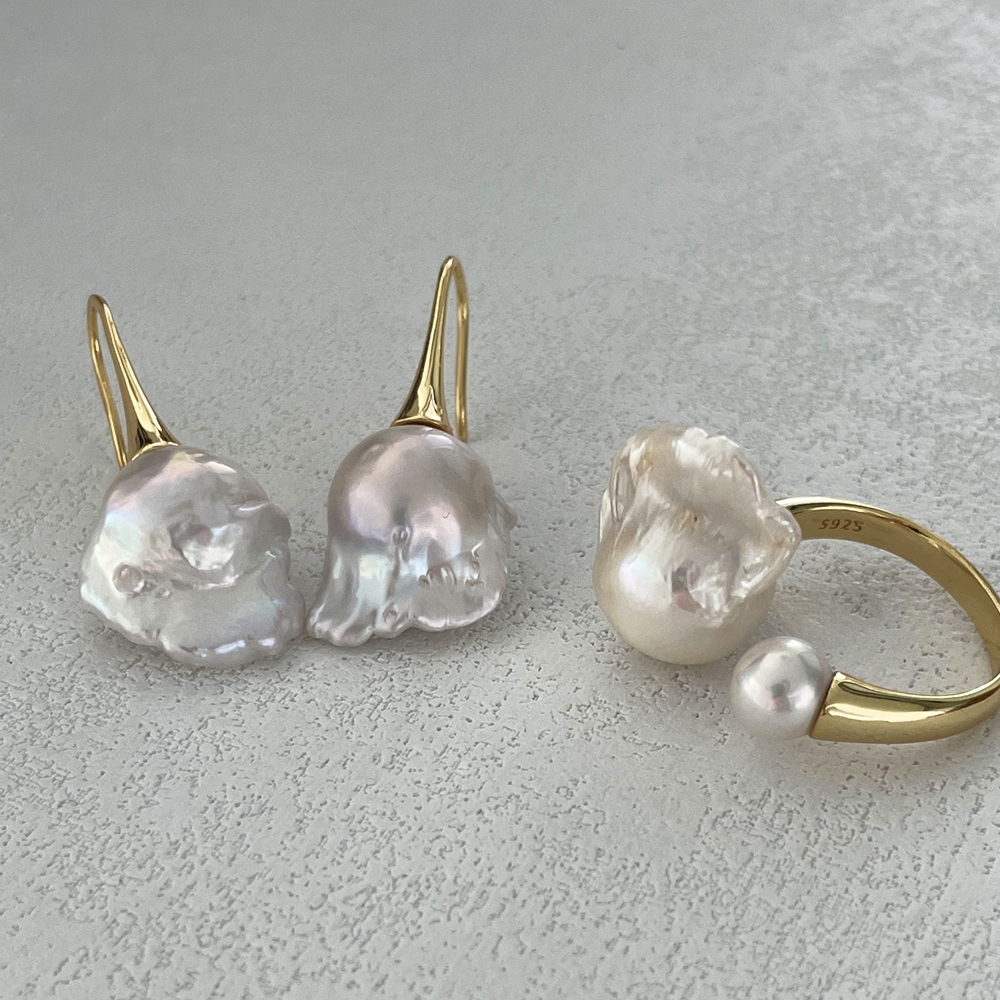
For loose metal settings, deformed pins, or faded electroplating of pearl earrings, pendants, and rings, timely professional maintenance is required. Loose settings will cause pearls to fall off accidentally, and long-term exposed metal will rust and stain the pearls, causing secondary pollution damage.
Final Thoughts on Pearl Care
Pearl accessories are different from ordinary fast-fashion jewelry. They do not rely on exaggerated designs to attract attention, but win people’s hearts with gentle, durable, and unique natural luster. The delicate nature of pearls is also their unique charm—they need careful care just like elegant temperament, which accumulates and precipitates over time. Good maintenance habits can make your pearl accessories brighter and more textured with the passage of time, realizing the unique value of “the older, the more beautiful”. By following the wearing sequence rules, adopting scientific cleaning methods, standardizing daily storage, and doing regular professional maintenance, you can completely avoid most pearl damage problems. Whether it is daily freshwater pearl accessories or high-end saltwater pearl collections, meticulous care will make them always maintain their elegant demeanor, becoming your eternal classic fashion companions that can be passed down for generations.
Purchase Link: https://vlsjewellery.com/
