
Pearl jewelry is one of the few accessories in the fashion world that never goes out of style. Passed down through generations, worn by royalty, celebrities, and everyday style enthusiasts alike, pearls symbolize elegance, purity, grace, and subtle luxury. Unlike flashy diamond jewelry or bold colored gemstone pieces, pearls offer soft, understated beauty that elevates any outfit, whether it is a casual everyday look, a professional office ensemble, or a glamorous evening gown. However, for most shoppers, choosing the right pearl jewelry is far from simple. With countless options ranging from affordable freshwater pearls to high-end South Sea cultured pearls, varying luster qualities, confusing size grades, and diverse designs, many people end up purchasing pieces that do not match their style, budget, or wearing needs. If you have ever felt overwhelmed while shopping for pearl jewelry, this in-depth guide will break down everything you need to know to make confident, smart, and long-lasting pearl jewelry choices.
Many beginners make the mistake of judging pearls solely by their round shape or price tag. In reality, premium pearl jewelry selection relies on a combination of professional factors, including pearl type, luster, surface quality, shape, size, color, and craftsmanship. Additionally, understanding your personal wearing scenarios, skin tone, and style preference is just as critical as knowing technical pearl grading standards. By the end of this guide, you will be able to distinguish high-quality pearls from low-grade ones, pick the perfect style for daily wear or special occasions, and avoid common shopping pitfalls that waste money on inferior pieces.
Start with Pearl Types: The Foundation of Your Choice
The first step in choosing pearl jewelry is understanding the two core categories that dominate the market: natural pearls and cultured pearls, as well as the key differences between freshwater and saltwater pearls. Most pearls sold in modern mainstream jewelry stores are cultured pearls. Natural wild pearls are extremely rare, extremely expensive, and almost exclusively used for high-end collection pieces, so they are not practical for daily wear or regular gifting. For ordinary consumers, cultured pearls are the best and only viable choice, and they are divided into freshwater cultured pearls and saltwater cultured pearls, each with unique characteristics and suitable crowds.
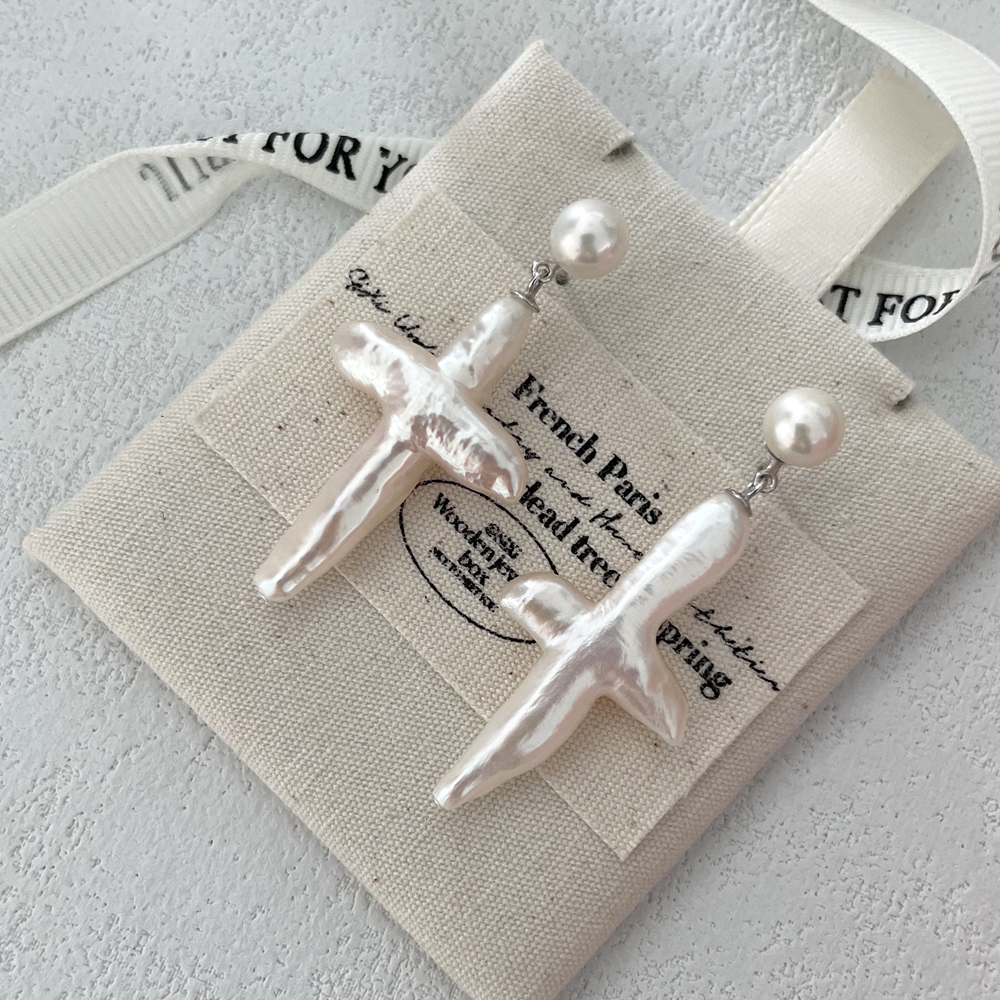
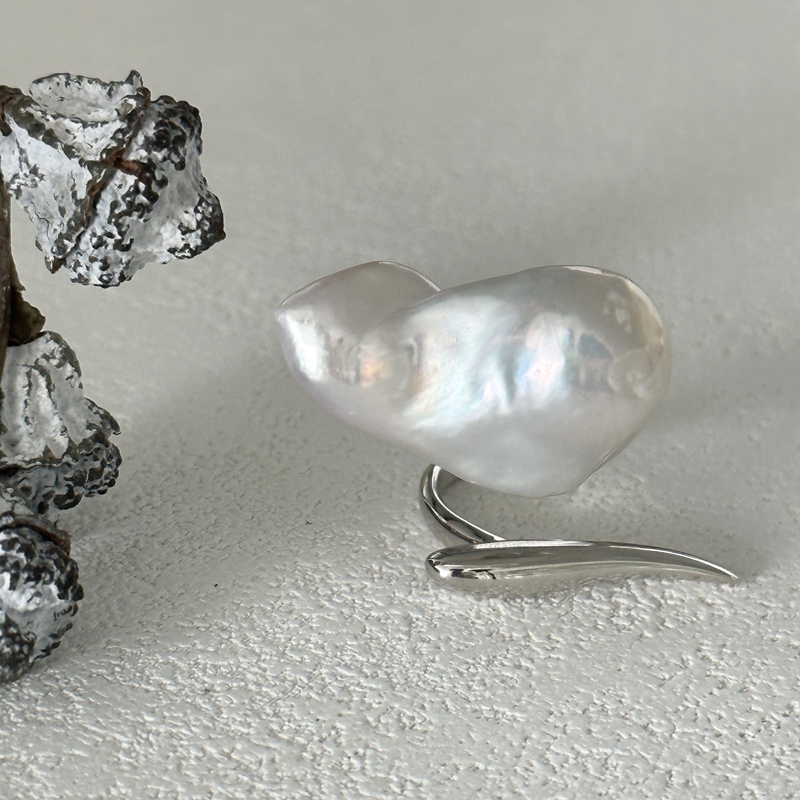
Freshwater cultured pearls are the most popular and budget-friendly option for everyday pearl jewelry. Primarily cultivated in freshwater lakes and rivers, mostly originating from China’s pearl farming regions, these pearls grow in freshwater mussels. A single mussel can produce multiple pearls, leading to high yields and accessible pricing. One of the biggest advantages of freshwater pearls is their thick nacre layer. Nacre is the iridescent substance that gives pearls their glow, and a thick nacre means better durability, softer luster, and longer service life. Freshwater pearls come in diverse natural colors, including classic white, creamy ivory, blush pink, lavender, and subtle peach tones. Their shapes are also versatile. While high-quality round freshwater pearls exist, oval, button, drop, and trendy baroque irregular shapes are more common. These unique irregular shapes have become a huge trend in contemporary minimalist and vintage fashion, perfect for people who prefer personalized, non-uniform jewelry that stands out from mass-produced designs.
Saltwater cultured pearls are the premium tier of pearl jewelry, including three iconic varieties: Akoya pearls, Tahitian pearls, and South Sea pearls. Cultivated in ocean waters, saltwater pearls require stricter growth environments and longer cultivation cycles, usually two to four years, compared to the six-month to two-year cycle of freshwater pearls. Each saltwater oyster only produces one or two pearls at most, resulting in extremely low yields and higher market prices. Saltwater pearls are famous for their exceptional luster. With fine, compact nacre layers, they produce a sharp, mirror-like luminous effect that is bright, layered, and eye-catching. Japanese Akoya pearls are known for their perfect roundness and bright white luster, making them the classic choice for delicate necklaces and bridal jewelry. Tahitian pearls feature exotic natural dark tones, including black, charcoal gray, and peacock green, delivering a mysterious, luxurious, and modern vibe. South Sea pearls, available in golden and silvery white hues, are the largest and most luxurious pearl variety, favored for high-end formal jewelry and collectible pieces. While saltwater pearls are more brilliant and premium, their nacre layers are thinner than freshwater pearls, making them more fragile and less suitable for frequent casual wear.


Master the Six Key Grading Factors for High-Quality Pearls
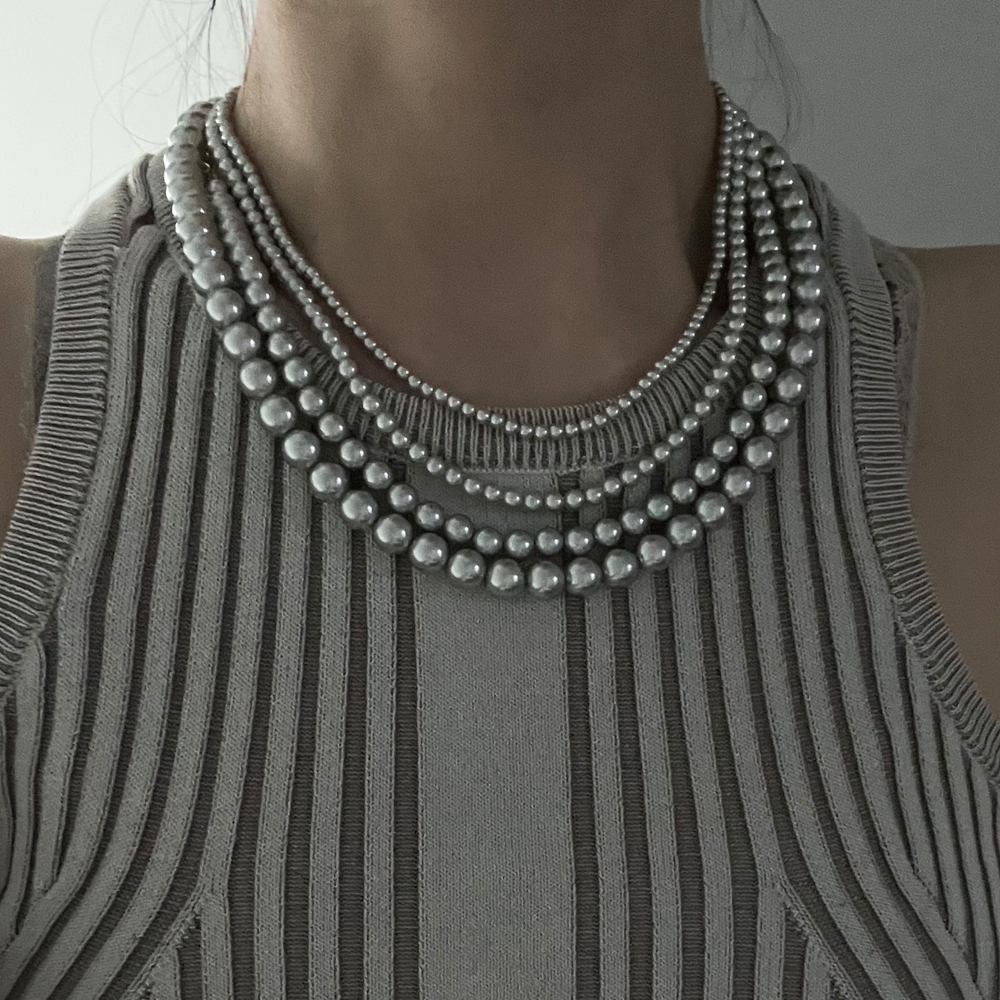
Regardless of whether you choose freshwater or saltwater pearl jewelry, mastering the six professional grading standards will help you identify top-tier pieces effortlessly. These standards are universally recognized in the global pearl jewelry industry and determine the quality, value, and aesthetics of pearl jewelry.
First, luster is the most important factor and the “soul” of a pearl. Luster refers to the way light reflects and refracts through the pearl’s nacre. High-quality pearls have deep, layered luster with clear light reflections and soft halos on the surface. When you look closely, the light does not just sit on the surface but penetrates inward, creating a three-dimensional glowing effect. Low-quality pearls appear flat, dull, and chalky, with no light layering, even if their shape is perfect. For daily wear freshwater pearls, look for soft, uniform luster; for formal saltwater pearls, prioritize intense, mirror-like luster.
Second, surface cleanliness determines the perfection of the pearl. It is crucial to understand that no natural cultured pearl is 100% flawless. Tiny natural blemishes, minor texture variations, or microscopic spots are normal and unavoidable. High-grade pearls only have invisible or negligible flaws that cannot be seen with the naked eye. You should avoid pearls with obvious cracks, large pits, dark spots, peeling nacre, or uneven surfaces, as these flaws not only ruin the aesthetic but also weaken the pearl’s structure, making it prone to damage and fading over time.
Third, shape selection should match your wearing purpose. Perfectly round pearls are the most traditional and formal option, ideal for formal events, business occasions, weddings, and classic jewelry sets. Symmetrical oval and drop-shaped pearls are extremely flattering for earrings and pendants, as their elongated lines soften facial contours and add a gentle, elegant temperament. Baroque pearls, with their unique irregular shapes, are the best choice for casual, artistic, and trendy styles, favored by young fashion lovers for their one-of-a-kind charm.
Fourth, size determines the visual presence of pearl jewelry. Pearl sizes range from tiny 3mm seed pearls to oversized 12mm+ luxury pearls. For daily casual wear, 6mm to 8mm pearls are the most versatile size, suitable for all face shapes, ages, and outfits, low-key and elegant without being exaggerated. 8mm to 10mm pearls are slightly more prominent, perfect for office wear, dinner parties, and semi-formal occasions. Pearls above 10mm are grand and luxurious, best for formal ceremonies, weddings, and high-end events rather than daily casual matching.
Fifth, color matching should coordinate with your skin tone. Pearls have diverse natural tones, and choosing the right color can brighten your complexion and enhance your overall temperament. Fair skin tones suit all pearl colors, especially pure white, blush pink, and silvery pearls that create a fresh and delicate look. Warm yellow and wheat skin tones pair perfectly with creamy ivory, golden, and lavender pearls, which neutralize skin dullness and add warmth. Dark skin tones shine with Tahitian black pearls and golden South Sea pearls, creating a striking, luxurious, and high-class contrast.
Sixth, examine metal craftsmanship and settings. A high-quality pearl piece is not only about great pearls but also exquisite settings. Check that the pearl is firmly fixed without shaking, the metal parts are smooth without burrs, and the electroplating is uniform and not easy to fade. For long-term wear, choose hypoallergenic materials such as 925 sterling silver, 14k gold, or 18k gold to avoid skin irritation and ensure durability.


Choose Pearl Jewelry by Occasion and Style
The best pearl jewelry is not the most expensive one, but the one that fits your lifestyle and dressing style perfectly. For daily casual wear, minimalist freshwater pearl stud earrings, simple single pearl pendants, and thin pearl chain bracelets are the most practical choices. They are lightweight, low-key, versatile with T-shirts, sweaters, jeans, and casual dresses, and add a subtle refined touch to daily outfits without feeling pretentious.
For workplace and business occasions, classic round freshwater or Akoya pearl sets are ideal. Moderate size pearls with soft luster convey professionalism, gentleness, and reliability, helping you build a calm and elegant workplace image without being too sharp or too casual. Avoid oversized baroque pearls or exaggerated pearl designs in formal business environments, as they may appear too trendy and unprofessional.
For weddings, anniversaries, and formal banquets, you can opt for high-grade saltwater pearl jewelry, multi-layer pearl necklaces, or large pendant designs. Tahitian and golden South Sea pearls are excellent choices for formal evening wear, as their unique luster and color can perfectly match formal gowns, creating a stunning and dignified ceremonial feeling. For bridal jewelry, classic white Akoya pearl sets remain the timeless top choice, symbolizing purity, happiness, and eternal tenderness.
Final Shopping Tips to Avoid Regrets
When purchasing pearl jewelry, many consumers fall for misleading marketing tricks. First, do not equate round pearls with good pearls. While round pearls are classic, irregular baroque pearls with excellent luster and clean surfaces are often more valuable and fashionable than dull, flawed round pearls. Second, do not blindly pursue saltwater pearls. If you need jewelry for daily frequent wear, high-quality freshwater pearls are more cost-effective and durable than thin-nacre saltwater pearls. Third, always check the pearl’s luster first before looking at size and shape, because luster is the only factor that cannot be artificially modified and directly determines the pearl’s grade.
In conclusion, choosing perfect pearl jewelry is a balance of type, quality, style, and scenario. Pearls are timeless accessories that grow more charming with time, unlike fast fashion jewelry that fades quickly. By understanding the differences between freshwater and saltwater cultured pearls, mastering luster, size, and color matching skills, and selecting pieces according to your daily needs, you can easily find pearl jewelry that suits your personal temperament, lasts for years, and can even be passed down as a classic heirloom. Whether you are buying your first pearl piece or expanding your jewelry collection, focusing on quality and suitability over blind luxury is the core of smart pearl shopping.
Purchase Link: https://vlsjewellery.com/
