Freshwater vs Cultured Pearls: Key Differences, Buying Guide & Style Tips

Freshwater vs Cultured Pearls: Key Differences, Buying Guide & Style Tips

For anyone new to pearl jewelry shopping, the terms “freshwater pearls” and “cultured pearls” are arguably the most confusing vocabulary in the pearl industry. Many beginners mistakenly categorize them as two completely opposite pearl types, struggling to tell which one is better, more valuable, or more suitable for daily wear. Some shoppers blindly chase expensive cultured pearls, while others assume all freshwater pearls are low-quality and not worth investing in. These misunderstandings often lead to wrong purchases, wasted budgets, and disappointment with pearl accessories.

To solve this common dilemma, this in-depth guide will thoroughly clarify the definitions, core differences, unique advantages, drawbacks, and ideal application scenarios of freshwater pearls and cultured pearls, helping you make professional, cost-effective, and stylish choices when buying pearl jewelry.

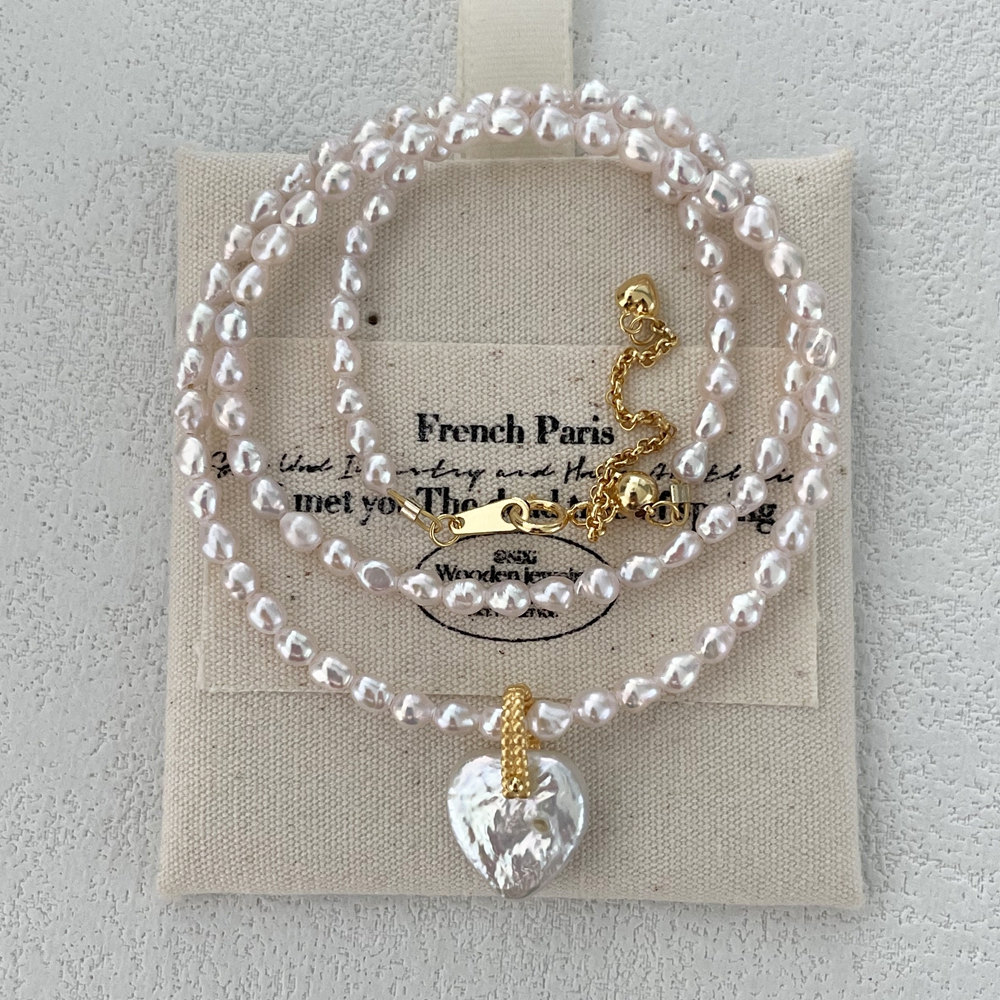
Before diving into the detailed comparison, it is essential to correct the biggest industry misconception first: Freshwater pearls and cultured pearls are not opposing categories. They describe two entirely different attributes of pearls. “Cultured” refers to the formation method of pearls, while “freshwater” refers to the growing environment of pearls. In short, almost all freshwater pearls on the market are freshwater cultured pearls. There is no conflict between the two concepts; instead, they are inclusive and overlapping. To be precise, the real comparison consumers need to master is freshwater cultured pearls vs saltwater cultured pearls, which are the two major branches of all modern cultured pearls. Natural wild pearls are extremely rare, unaffordable for daily use, and rarely sold in mainstream jewelry stores, so cultured pearls are the only practical choice for ordinary buyers.

What Exactly Are Cultured Pearls?

To fully understand the contrast, we first need to define cultured pearls clearly. Unlike natural pearls that form randomly when foreign substances accidentally enter wild mollusks, cultured pearls are artificially cultivated under controlled, professional farming conditions. Pearl farmers manually implant irritants—either mantle tissue or spherical bead nuclei—into healthy mollusks, then raise the mollusks in suitable water environments for months or years, allowing the organisms to secrete nacre and gradually form complete pearls.

The emergence of cultured pearl technology revolutionized the global pearl jewelry industry. Before cultured pearls were widely available, natural pearls were exclusive to nobles and the wealthy due to their extreme rarity. Cultivation technology standardized pearl production, made elegant pearl jewelry accessible to ordinary consumers, and maintained the natural texture and luster of real pearls, distinguishing them completely from fake plastic or shell pearls. All authentic pearls you buy from regular jewelry brands, whether white daily-style pearls or luxurious black pearls, belong to the cultured pearl family.

Cultured pearls are broadly divided into two subcategories based on growth water bodies: freshwater cultured pearls and saltwater cultured pearls. Every detail from growth cycle, yield, nacre thickness, appearance, price, durability to wearing scenarios varies drastically between the two, forming the core of pearl selection knowledge for buyers.

What Are Freshwater Cultured Pearls? Core Features & Advantages

Freshwater cultured pearls are exclusively grown in inland freshwater environments, including natural lakes, rivers, and artificial freshwater breeding ponds, with China being the world’s largest and most professional production base. These pearls are cultivated in freshwater mussels, primarily the Hyriopsis cumingii mussel species, which has strong vitality and a high pearl production rate. The most prominent feature of freshwater pearls is their ultra-high yield and short growth cycle. A single freshwater mussel can produce 20 to 50 pearls in one cultivation cycle, and the growth period only lasts 6 months to 2 years, far shorter than saltwater varieties. This high productivity greatly reduces production costs, making freshwater pearls the most budget-friendly real pearl option in the market.

In terms of internal structure, most high-quality modern freshwater pearls are tissue-cultured without a solid bead nucleus. Instead of implanting a round bead, farmers insert tiny mantle tissue into the mussel. This special cultivation method enables freshwater pearls to form an extremely thick, full nacre layer that covers the entire pearl. Nacre is the iridescent organic layer that creates a pearl’s unique glow, and thick nacre brings two irreplaceable advantages: superior durability and soft, gentle luster. Unlike thin-nacre pearls that easily wear thin, fade, or peel after long-term wear, freshwater pearls can maintain their complete texture and luster for decades with proper care, making them perfect for daily frequent wear.

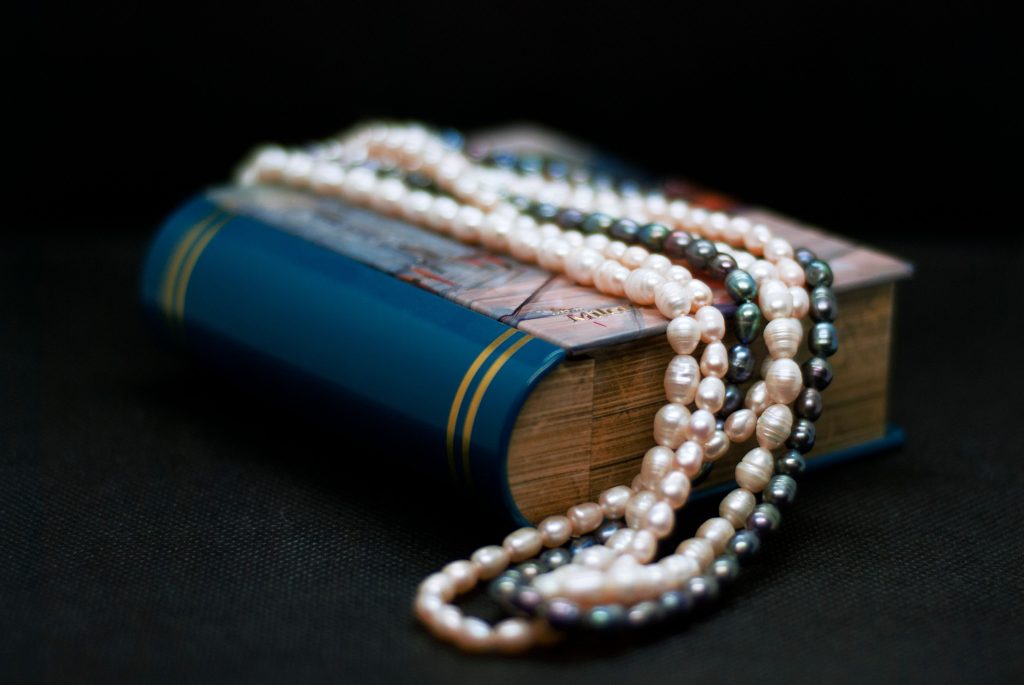
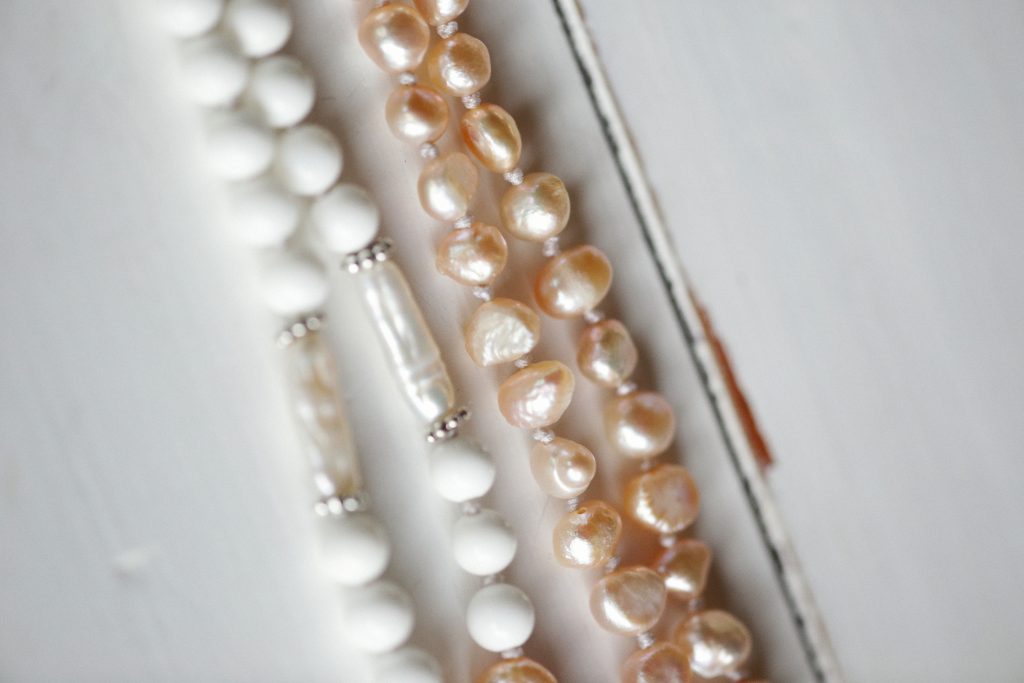
Aesthetically, freshwater pearls boast unparalleled color diversity. They are not limited to basic white and cream tones; natural blush pink, tender lavender, warm peach, and subtle apricot hues are extremely common. These soft, low-saturation colors fit perfectly with daily casual styles, office wear, and youthful fashion trends. In terms of shape, freshwater pearls are not restricted to perfect rounds. Oval, button, teardrop, and trendy baroque irregular shapes are mainstream. Baroque freshwater pearls, in particular, have become a fashion staple in recent years. Their unique, non-repeating irregular outlines break the monotony of traditional round pearls, delivering a minimalist, artistic, and personalized temperament favored by young fashion enthusiasts.

The only minor drawback of freshwater pearls is their relatively soft luster compared to high-end saltwater cultured pearls. Their glow is warm and diffused rather than sharp and mirror-like, which is why they look gentle and understated instead of dazzling and luxurious. However, this feature also makes them more versatile and less ostentatious for everyday styling.

Saltwater Cultured Pearls: Premium Tier of Cultured Pearls
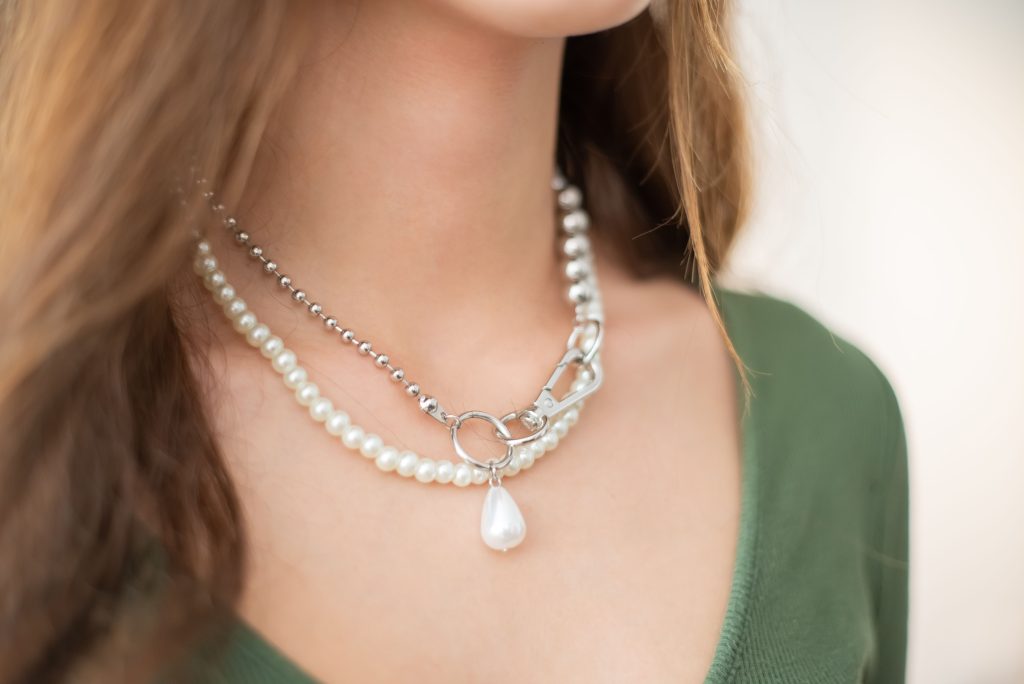
To better highlight the characteristics of freshwater cultured pearls, we must compare them with saltwater cultured pearls, the premium branch of cultured pearls. Saltwater cultured pearls grow in open marine environments such as oceans, bays, and tidal zones, including three world-famous varieties: Japanese Akoya pearls, Tahitian black pearls, and South Sea golden and silver pearls.

Saltwater pearl cultivation has extremely strict environmental and technical requirements. The growth cycle ranges from 2 to 4 years, twice as long as most freshwater pearls. More importantly, each marine oyster can only produce 1 to 2 pearls in its lifetime, resulting in an extremely low yield. Coupled with harsh marine climate conditions and high manual cultivation costs, saltwater cultured pearls are positioned as high-end luxury pearls with much higher market prices than freshwater pearls.

Structurally, all saltwater cultured pearls adopt bead nucleus cultivation. Farmers implant a polished round shell bead into the oyster, which guides the pearl to grow into an almost perfectly round shape with extremely high uniformity. Their nacre layers are thin and dense, creating a stunning mirror-like luster with strong light reflection and layered three-dimensional light and shadow effects. Akoya pearls are famous for their bright white glow and flawless roundness, ideal for delicate bridal jewelry and formal accessories. Tahitian pearls feature rare natural black, gray, and peacock green tones, exuding a mysterious and noble aura. South Sea pearls, with their oversized particle size and luxurious golden or silver luster, represent the top level of pearl collectibles.

Nevertheless, saltwater cultured pearls have obvious limitations. Their thin nacre layers make them fragile and prone to scratches, abrasion, and luster loss. They are not suitable for daily high-frequency wear and are more designed for formal occasions, banquets, collections, and high-end gifts.

Core Differences: Freshwater vs Saltwater Cultured Pearls (Full Comparison)

To sum up the key distinctions for intuitive selection, the differences cover six critical dimensions.
First, in terms of cost performance, freshwater pearls are high-yield and low-priced, suitable for mass daily consumption, while saltwater pearls are low-yield and high-priced, belonging to luxury accessories.

Second, in durability, freshwater pearls with thick nacre are wear-resistant and long-lasting, while saltwater pearls with thin nacre are delicate and require careful maintenance.

Third, in appearance and style, freshwater pearls have rich colors, diverse shapes, and soft luster, presenting a casual, gentle, and personalized style. Saltwater pearls are mostly perfectly round with single classic color tones and sharp brilliant luster, showing a formal, luxurious, and elegant temperament.

Fourth, in wearing scenarios, freshwater pearls are perfect for daily commuting, casual outings, student wear, and workplace daily matching, while saltwater pearls are more suitable for weddings, anniversaries, business banquets, and red carpet events.

Fifth, in collection value, high-grade large-size saltwater pearls have stable appreciation potential and collection significance, while freshwater pearls focus on practical wearing value with limited collection attributes.

Sixth, in fault tolerance, freshwater pearls have higher cost performance for replacement and daily wear and tear, while saltwater pearls require careful protection and are not tolerant of accidental damage.

How to Choose Between Freshwater and Cultured Pearls?

After clarifying all differences, the selection logic becomes extremely clear. If you are a pearl beginner looking for daily versatile jewelry, pursuing cost performance and durability, freshwater cultured pearls are your best choice. They can be worn with all casual and daily workplace outfits, do not require overly careful maintenance, and can be worn for years without easy damage. Baroque freshwater pearl accessories are especially recommended for those who pursue unique fashion and avoid stereotyped mainstream styles.

If you need pearl jewelry for formal ceremonies, important occasions, wedding dressing, or high-end gift-giving and collection, you can choose high-end saltwater cultured pearls. Their perfect roundness, brilliant luster, and luxurious texture can instantly enhance your temperament and create a solemn and advanced ceremonial feeling. For those with a sufficient budget who want to build a high-end jewelry collection system, South Sea and Tahitian cultured pearls are worthy of long-term investment.

Final Conclusion

The biggest takeaway from this comparison is that there is no absolute “better” between freshwater pearls and cultured pearls. The core is to distinguish conceptual differences and match them with your own needs. All qualified freshwater and saltwater pearls are real cultured pearls, with genuine natural nacre texture and unique ornamental value. Freshwater cultured pearls are the most practical and friendly choice for daily fashion, while saltwater cultured pearls are the high-end luxury choice for special moments and collection. By abandoning wrong stereotypes and mastering professional distinguishing knowledge, you can easily select the most suitable pearl jewelry that balances beauty, practicality, and budget.

Leave a Comment

Your email address will not be published. Required fields are marked *

Shopping Cart