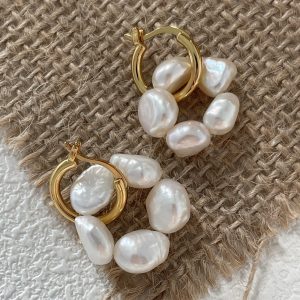
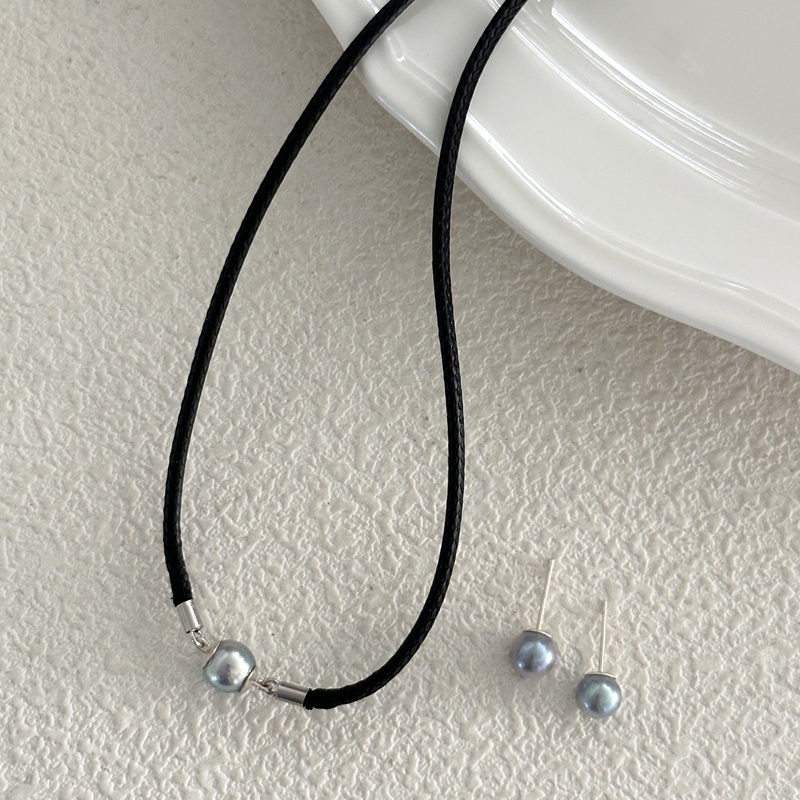
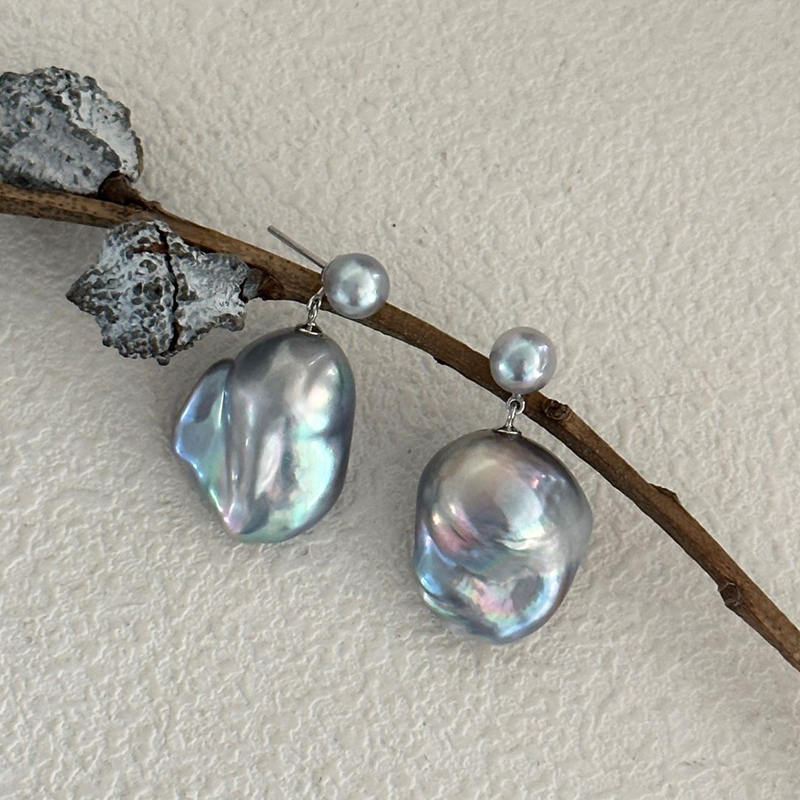
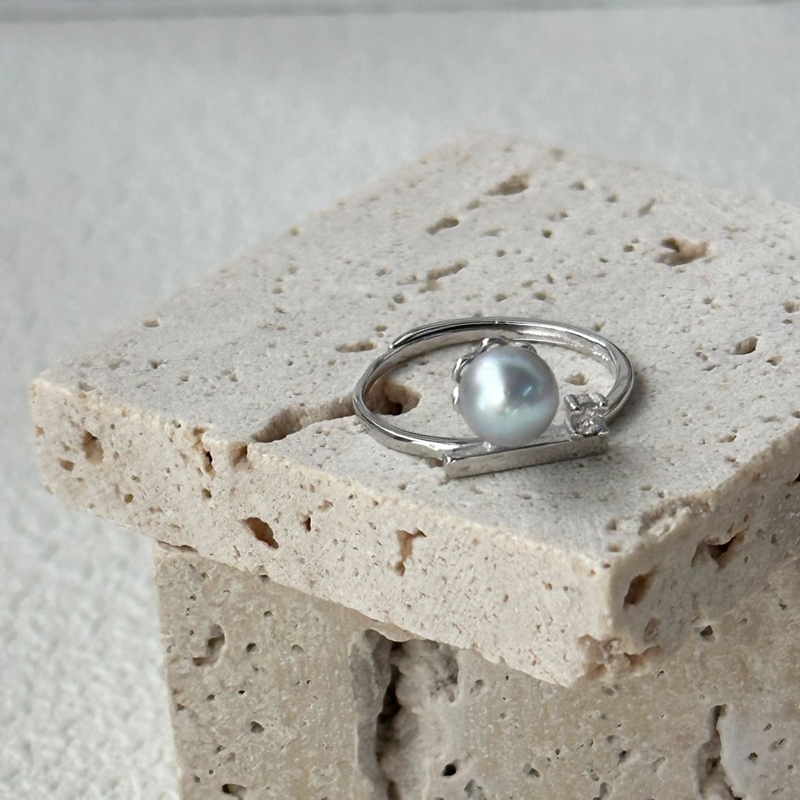
Unlike mineral gemstones like diamonds, sapphires, or amethysts that form deep within the earth’s crust, pearls are unique organic gems grown inside living mollusks. Because they are created biologically, they possess a delicate, porous structure made of calcium carbonate layers held together by an organic protein compound.

While high-quality cultured pearls are durable enough to last for generations, they are highly sensitive to everyday environmental factors. Avoiding these five common care mistakes will protect your jewelry from permanent structural degradation and keep its beautiful luster completely intact.

1. Applying Cosmetics and Perfume After Putting on Your Pearls

One of the most frequent and destructive mistakes pearl owners make is exposing their jewelry to morning beauty routines. Daily products such as hairsprays, alcohol-based perfumes, body lotions, foundations, and sunscreens contain volatile chemical solvents and mild acids.

Because a pearl’s outer nacre layer is highly porous, it quickly absorbs these chemical residues. Over time, the acidic elements eat away at the delicate crystalline layers of aragonite, permanently stripping the pearl of its mirror-like luster and leaving it with a dull, chalky appearance.

The Golden Rule of Pearls: They should always be the absolute last thing you put on when getting dressed, and the very first thing you take off when you return home. Always allow your perfume and hairspray to dry completely for at least 5 to 10 minutes before donning your jewelry.

Image: An artistic lifestyle photo showing a woman placing a pristine cultured pearl necklace around her neck as the finishing touch to her outfit, emphasizing the “last on” rule.

2. Storing Pearls with Hard Gemstones or Inside Plastic Bags

Proper storage requires understanding mineral hardness. Pearls are exceptionally soft, ranking at just 2.5 on the Mohs Hardness Scale. For comparison, a diamond ranks at 10, a sapphire at 9, and even a common steel coin ranks around 4.5.

If you toss your pearl strands, bracelets, or earrings into a shared jewelry bowl or box alongside gold chains and gemstone rings, those harder materials will easily scratch, pit, and abrade the smooth surface of your pearls.

Furthermore, sealing pearls inside airtight plastic zip bags or ultra-dry safety deposit boxes causes irreversible structural damage. Pearls inherently contain a small percentage of natural water within their organic matrix. Denying them access to ambient atmospheric moisture causes the nacre layers to dry out, leading to severe yellowing, cracking, and eventual peeling.

Image: A organized fabric-lined jewelry box showcasing pearl strands stored completely flat and separate from other gemstone jewelry in their own dedicated velvet slots.

3. Submerging Pearls in Water or Using Abrasive Cleaners

It is a common misconception that because pearls originate underwater, they enjoy being submerged. While the living mollusk thrives in the sea or river, harvested pearl jewelry is highly vulnerable to prolonged water exposure—especially when strung on traditional thread.

  • The Cord Threat: Most fine pearl necklaces are meticulously hand-knotted using genuine silk or specialized nylon thread. Submerging your strand while showering, swimming in chlorinated pools, or bathing stretches and weakens this thread. Wet silk rots quickly, traps dirt against the drill holes, and can snap without warning.
  • The Chemical Threat: Never clean pearls using commercial jewelry dips, ultrasonic cleaning machines, steam cleaners, or dish detergents. The intense ultrasonic vibrations can crack fragile nacre, while harsh soaps strip away the natural oils that preserve the gem’s deep luster.

Image: A close-up visual demonstrating the correct cleaning technique: a hand gently wiping a single pearl strand with a soft, slightly damp microfiber cloth.

4. Neglecting to Wipe Your Pearls Clean After Every Wear

Even if you successfully avoid chemicals and water, your body naturally produces sweat, oils, and mild acids throughout the day. When pearls rest directly against your skin, they absorb these natural secretions.

Allowing body oils and perspiration to sit on the surface of the pearls inside a dark storage box creates a slow chemical reaction that gradually dissolves the outer aragonite crystals. This mistake causes necklaces to lose their shine precisely around the back of the neck first.

To counter this, make a habit of giving your pearls a quick, gentle wipe with a dry, lint-free microfiber cloth after every single use before storing them away. This simple 10-second routine removes acidic sweat and prevents long-term finish degradation.

5. Failing to Restring Your Pearl Strands Periodically

If you wear your favorite pearl necklace or bracelet regularly, the friction of the gems sliding against the cord inevitably takes a toll. Over time, the silk thread stretches out, creating visible gaps between the pearls.

When gaps appear, the pearls begin to rub directly against one another around their drill holes, causing localized chipping. Additionally, stretched thread indicates that the structural integrity of the cord is compromised. To protect your investment from a sudden break and a loss of gems, regular wearers should have their strands professionally inspected and restrung every 1 to 2 years.

Conclusion

Caring for cultured pearls does not require expensive equipment—it simply requires mindful habits. By protecting them from harsh chemicals, wiping away oils after wear, and storing them in a breathable, separate fabric pouch, you ensure that your pearls maintain their signature radiant glow for a lifetime.

Trusted Industry References

Shopping for pearls online can feel intimidating. Because you cannot pick up the gems to feel their weight or turn them under physical showroom lights, you might worry about purchasing a dull, chalky imitation. However, buying pearls digitally is entirely secure once you understand the precise criteria jewelers use to grade them.

By familiarizing yourself with the industry-standard metrics of quality, you can easily evaluate online listings, interpret product descriptions, and select a stunning piece of jewelry that offers genuine value.

Understanding the GIA 7 Pearl Value Factors

To safely navigate an online pearl purchase, you must rely on the core grading framework established by the world’s leading gemological authority: The Gemological Institute of America (GIA). The GIA evaluates both natural and cultured pearls using an objective, seven-factor system.

When analyzing an online product page, look for detailed mentions of these core factors rather than vague descriptions like “high quality.” The seven key factors include:

  • Luster: The intensity and sharpness of the light reflecting from the pearl’s surface.
  • Surface Quality: The presence, size, and visibility of natural marks, blemishes, or minor pits.
  • Shape: How close the pearl is to a perfect sphere (round, near-round, symmetrical, or artistic baroque).
  • Size: The physical diameter measured precisely in millimeters ($mm$).
  • Color: The base bodycolor combined with translucent overtones (like a hint of rose or silver).
  • Nacre Quality: The thickness and layering of the pearl’s crystalline coating, which dictates durability.
  • Matching: How uniformly a strand or set of earrings is blended in terms of all the above features.

Why Luster is Your Number One Priority

Among all seven evaluation metrics, luster is widely recognized by professional jewellers as the single most critical factor in determining a pearl’s beauty and market value. Luster refers to the deep, inner glow that characterizes fine pearls, created as light passes through microscopic layers of nacre and reflects back to the eye.

When reviewing online product photography, look closely at the light reflection on the pearl’s surface:

  • Excellent Luster: The reflections are bright, sharp, and mirror-like. In high-resolution photos, you should be able to see a distinct, clear reflection of the camera or lighting source on the pearl itself.
  • Poor Luster: The surface appears milky, hazy, or chalky. Even if a pearl is perfectly round and large, poor luster makes the gem look dead and cheap.

Prioritizing sharp luster over massive size ensures you choose a piece of jewelry that stands out and retains its radiant aesthetic over time.

How to Interpret Online Pearl Grading Scales

While the GIA provides descriptive reports, commercial online retailers generally use one of two standardized grading scales to catalog their inventory: the A–AAA Scale or the A–AAAA Scale. Understanding how these letters translate to real-world appearance helps you cross-verify pricing.

The Standard AAA Grading Framework

  • AAA Grade: The highest commercial tier. These pearls feature exceptional luster and are at least 90% to 95% free of surface blemishes. They are perfectly round or near-round.
  • AA Grade: This tier offers high to medium luster, with minor visible marks covering less than 25% of the surface.
  • A Grade: The entry-level fashion tier. These pearls feature low luster and noticeable surface characteristics over more than 25% of the gem.

Reputable online stores will clearly define their grading tiers and back them up with macro photography, allowing you to visually inspect the surface uniformity before clicking the buy button.

Conclusion

Finding the perfect pearls online does not require luck; it requires looking for transparent specifications. By keeping the GIA Value Factors in mind—and focusing heavily on sharp, mirror-like luster—you can buy with total peace of mind. True luxury is born from nature’s quirks, and a reputable online storefront will always give you the exact grading data you need to make an informed, beautiful investment.

Trusted Industry References

Finding the perfect gift for your loved ones can often feel overwhelming. Many mainstream gifts, from trendy clothing to common cosmetics, fall out of fashion quickly, lose their practical value after short-term use, or fail to leave a lasting emotional impression. However, pearl jewelry stands out as a fail-safe, timeless gift option that suits almost every person, holiday, and milestone moment. Unlike flashy diamond jewelry that leans toward luxury ostentation or colorful gemstone accessories with strong style limitations, pearls carry soft, elegant, and inclusive aesthetic value, paired with profound symbolic meanings of purity, sincerity, blessing, and eternal tenderness. Whether you are shopping for family members, lovers, friends, colleagues, or mentors, pearl jewelry can convey your delicate thoughts and sincere blessings subtly and elegantly. This in-depth gift guide will share diverse and practical pearl jewelry gift ideas for different people, occasions, budgets, and styles, helping you pick a thoughtful, high-end, and long-lasting gift that will be cherished for years.

One of the greatest advantages of gifting pearl jewelry is its universal adaptability. Pearls are not limited by age, style, or dressing habits. Young girls can wear dainty, tiny pearl accessories for a fresh and gentle look, while mature women match medium and large pearl pieces to highlight elegant temperament and noble aura. In addition, pearl jewelry has excellent collection and inheritance value. A well-chosen pearl accessory is never a disposable fast-fashion gift; it can be worn daily for decades, passed down as a family heirloom, and become a unique emotional carrier that records precious memories. Compared with material gifts that are consumed quickly, pearl gifts retain their beauty and meaning over time, making them one of the most cost-effective and heartfelt gift choices.

Why Pearl Jewelry Is the Perfect Gift Choice

Before exploring specific gift ideas, it is essential to understand why pearls have remained a top gifting choice for centuries, favored by royal families, celebrities, and ordinary people worldwide. First and foremost, pearls boast unparalleled symbolic significance. As the only organic gemstone born from life, pearls are formed through the long-term nurturing and precipitation of mollusks, representing perseverance, warmth, and pure love. Gifting pearls means sending sincere blessings of eternal beauty, peace, and happiness, which is far more emotionally resonant than ordinary gifts.

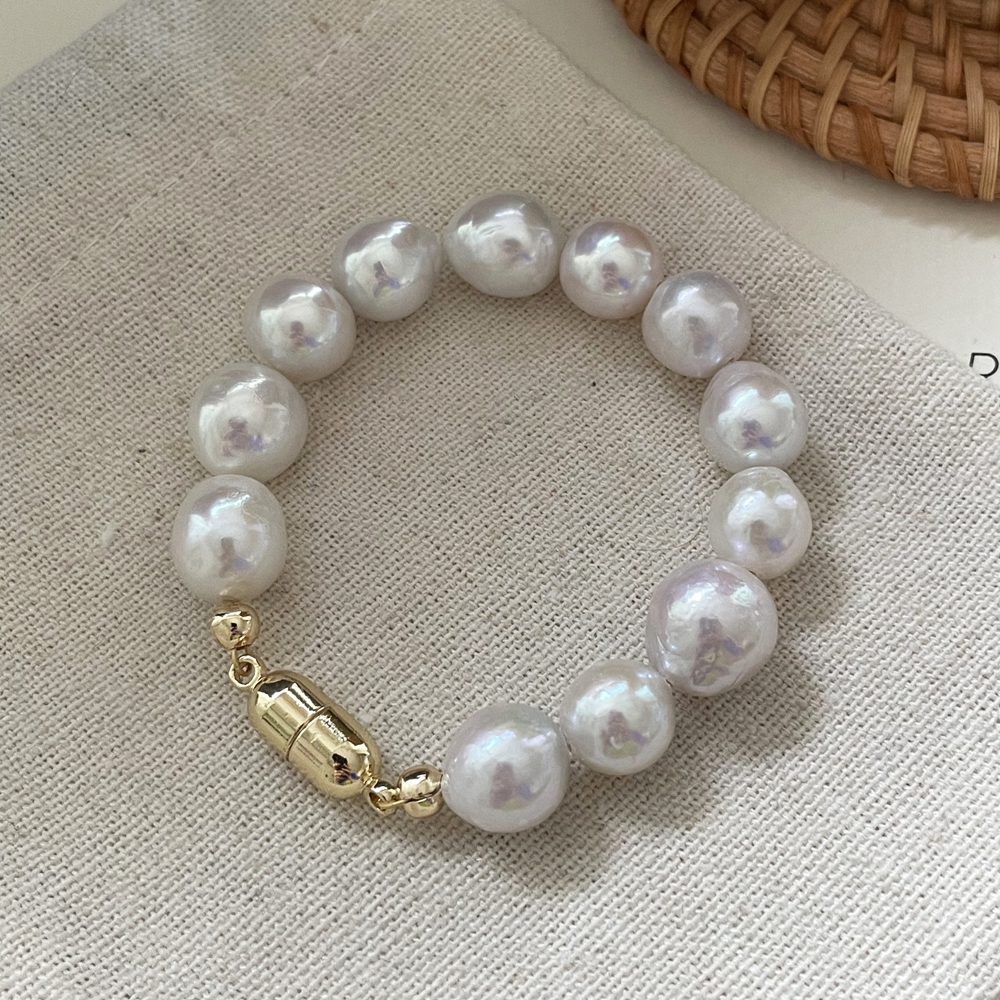
natural pearl bracelet

Secondly, pearls feature super high style inclusivity. Their soft luster and low-key luxury can complement all dressing styles, from casual daily wear and minimalist workplace outfits to formal evening gowns and ceremonial dresses. No matter the recipient’s usual style—sweet, minimalist, mature, elegant, or retro—the right pearl jewelry can fit seamlessly into their wardrobe without appearing abrupt or inconsistent. Unlike trendy accessories that are popular for only one season, pearl jewelry is a classic that never goes out of style, avoiding the embarrassment of gifts being idle due to outdated design.

Thirdly, pearl jewelry covers a full range of budgets. There are affordable and exquisite freshwater pearl accessories suitable for daily gifting, mid-range high-quality cultured pearl pieces for formal occasions, and high-end rare saltwater pearl collections for high-standard gift-giving. Whether you have a small budget for casual holiday gifts or a sufficient budget for milestone commemorative gifts, you can find suitable pearl jewelry options. Most importantly, pearls have strong anti-depreciation properties. High-quality cultured pearls maintain stable value appreciation, making them both a wearable ornament and a valuable collection.

Pearl Gift Ideas for Different Recipients

The core of a good gift is suitability. Different groups have different aesthetic preferences, wearing scenarios, and practical needs, so targeted pearl jewelry selection can maximize the sincerity and practicality of the gift. Below are detailed gift suggestions for lovers, mothers, female friends, young girls, and workplace partners.

1. Gifts for Lovers: Romantic & Exclusive Choices

For partners and lovers, pearl jewelry is the most romantic and subtle expression of love, far more lasting than fleeting flower gifts. For anniversaries, birthdays, Valentine’s Day, and proposal occasions, delicate pearl sets and personalized single pearl accessories are perfect choices. Classic Akoya pearl pendant necklaces are the most versatile romantic gift. The bright and gentle luster of Akoya pearls symbolizes pure and flawless love, and the minimalist single-pearl design is suitable for daily wear, allowing your lover to carry your blessings with them at all times.

For those pursuing uniqueness and exclusivity, baroque freshwater pearl necklaces and earrings are excellent options. The irregular and unique shape of each baroque pearl represents exclusive and irreplaceable love, perfectly fitting the romantic definition of “you are one of a kind in the world”. In addition, pearl stud earrings with tiny and delicate designs are ideal low-key romantic gifts. Not exaggerated or ostentatious, they can be worn in daily work and life, belonging to intimate and private romantic details only known to the giver and receiver. For wedding anniversaries and engagement ceremonies, high-end South Sea golden pearl or Tahitian pearl jewelry sets can be selected, representing noble and eternal love, suitable for commemorating important life moments.

2. Gifts for Mother & Elderly Female Relatives: Elegant & Blessing-Filled Options

Pearls are the most suitable jewelry for middle-aged and elderly women, symbolizing gentleness, nobility, and auspiciousness. For Mother’s Day, birthdays, and holidays, pearl jewelry can fully highlight the elegant and calm temperament of mothers and elders, and also convey gratitude and blessings. Medium-sized round freshwater pearl necklaces (8-10mm) are the most classic mother’s gift. The full and mellow pearl shape and soft luster match the mature and stable temperament of middle-aged women, suitable for daily home wear, square dancing, family gatherings, and daily outings.

For mothers who like low-key and simple styles, pearl bracelet and earring sets with matte gold or silver settings are more practical. The moderate size will not affect daily housework and work, and can add a touch of delicate elegance to daily dressing. For elderly elders such as grandmothers, large-size cream white freshwater pearl necklaces are preferred. The warm and soft color tone sets off ruddy skin color, and the mellow pearl shape carries the beautiful meaning of peace and health, which is the most sincere holiday blessing for elders.

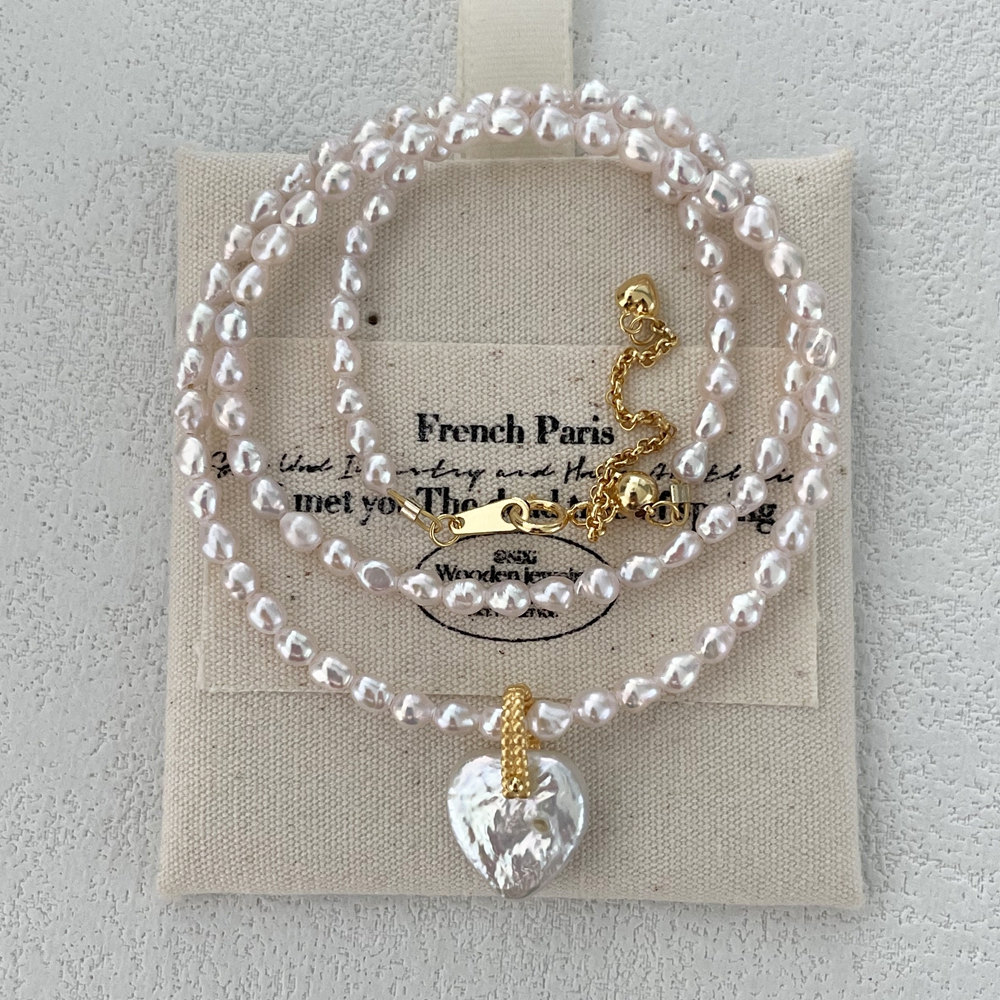
handmade heart-shaped pearl gift

3. Gifts for Best Friends & Young Girls: Trendy & Personalized Options

When gifting pearl jewelry to young girlfriends, sisters, and teenage girls, we can abandon the traditional classic and formal styles, and choose trendy, lightweight, and personalized pearl accessories that fit young people’s aesthetics. Small-sized 4-6mm freshwater pearl stud earrings, pearl hair clips, layered pearl chain necklaces, and pearl stacking bracelets are all popular and practical gifts recently.

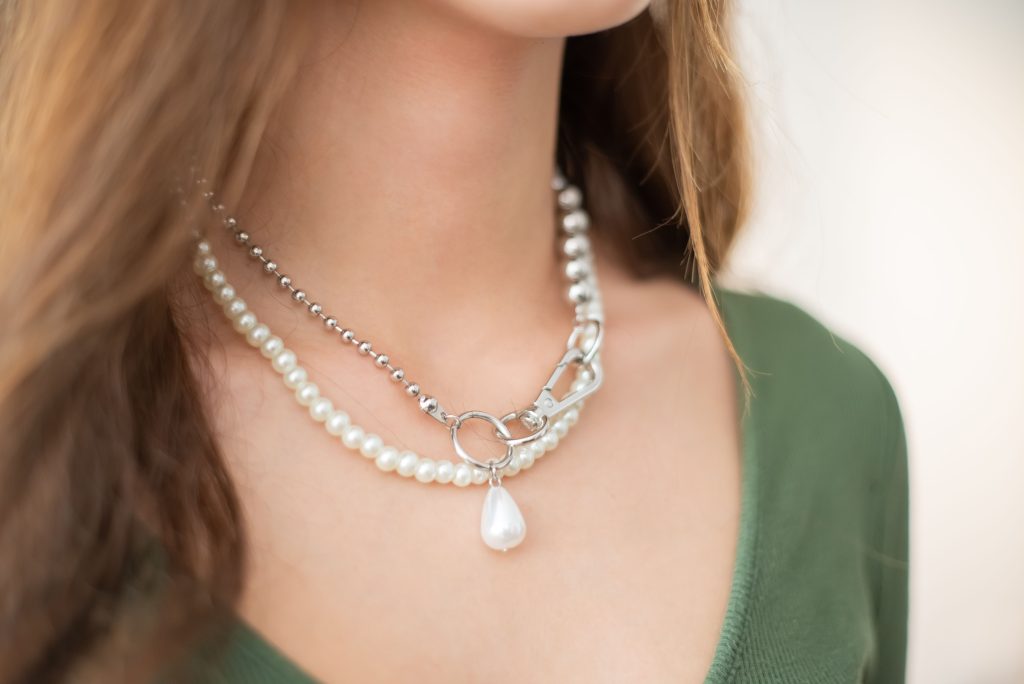
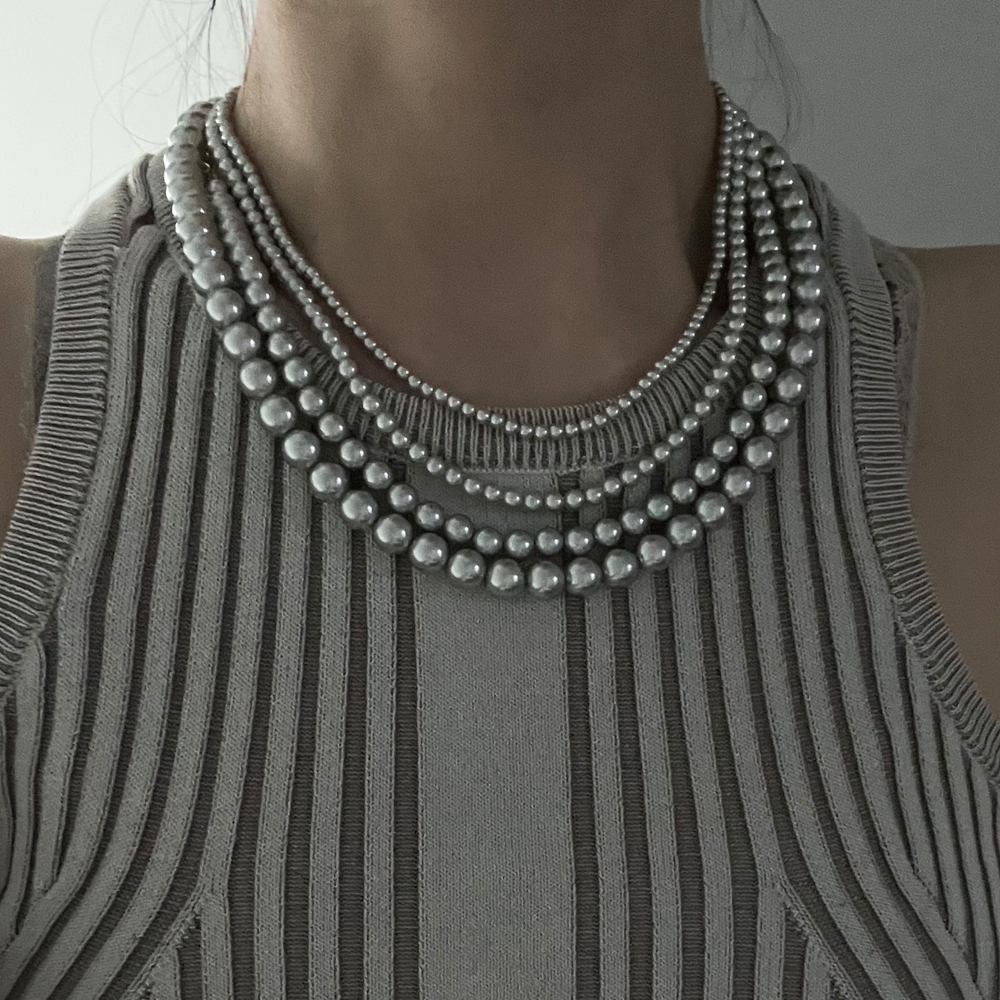
Close-up of a woman's neck adorned with elegant layered pearl necklaces.

Young people pursue minimalist, casual, and unique dressing styles, and baroque pearl accessories are highly in line with this trend. Irregular baroque pearl pendants and asymmetrical pearl earrings are fashionable and not tacky, easy to match T-shirts, sweaters, denim jackets, and casual dresses, helping young girls create a retro and artistic fashion sense. In addition, colorful freshwater pearls with natural pink, lavender, and peach tones are also very suitable for young groups. The soft and fresh color scheme is youthful and lively, breaking the old-fashioned impression of traditional pearls, full of girly tenderness and vitality.

4. Gifts for Colleagues, Mentors & Business Partners: High-End & Low-Key Formal Options

For workplace social scenarios such as colleague birthdays, mentor holidays, and business partner mutual gifts, pearl jewelry is a high-grade and safe social gift that will never go wrong. Workplace gifting needs to follow the principles of low-key elegance, practicality, and appropriateness, avoiding overly exaggerated and intimate designs. Classic 7-8mm round freshwater pearl stud earrings and minimalist single pearl pendants are the best choices.

These designs are simple and atmospheric, suitable for formal workplace wear, business meetings, and daily office matching, which can enhance the professional and elegant temperament of the wearer. Different from luxurious diamond and gold jewelry that appears utilitarian, pearl jewelry is low-key and textured, capable of expressing respect and gratitude without causing psychological burden to the recipient. It is a very measured and high EQ social gift.

Occasion-Based Pearl Gift Ideas for All Festivals & Milestones

Different festivals and commemorative moments correspond to different gift atmospheres and meanings. Matching pearl jewelry with occasion characteristics can make the gift more targeted and memorable.

For daily casual festivals such as Christmas, New Year, and Thanksgiving, affordable and versatile freshwater pearl small accessories are the first choice, including pearl keychains, tiny stud earrings, thin pearl bracelets, and mini pearl pendants. These small gifts are delicate and exquisite, with moderate gift weight, suitable for ordinary holiday mutual gifting, warm and not exaggerated.

For important life milestones such as birthdays, coming-of-age ceremonies, and graduation seasons, medium-sized pearl jewelry sets are more appropriate. A complete set of necklace, earrings, and bracelet can mark important growth moments, symbolizing new beginnings, purity, and hope, becoming a precious growth souvenir for the recipient.

For wedding gifts and housewarming gifts, high-quality full-circle pearl necklaces are ideal. The neat and round pearl arrangement symbolizes perfection and completeness, sending sincere blessings for happy marriage and happy life. For anniversary commemorative gifts such as wedding anniversaries and friendship anniversaries, customized pearl jewelry with simple engraving is unique and exclusive, greatly improving the collection value of the gift.

Budget-Friendly Pearl Gift Matching Guide

Many people worry that pearl jewelry is expensive and not suitable for daily gifting. In fact, pearl gifts have a very complete budget gradient, which can meet different consumption needs. For low-budget gifts within 50 dollars, small freshwater pearl stud earrings, mini pearl hair accessories, and thin pearl chain bracelets are cost-effective choices, exquisite and practical without losing texture.

For mid-budget gifts of 50 to 200 dollars, high-quality single pearl pendants, baroque pearl necklaces, and simple two-piece jewelry sets are the best options. These pieces adopt polished craftsmanship, with uniform pearl luster and clean surface, suitable for formal gifting and daily wear.

For high-budget commemorative gifts above 200 dollars, you can choose Akoya saltwater pearl sets, high-grade large-size freshwater pearl full-circle necklaces, and partial Tahitian pearl accessories. These high-quality pearls have excellent luster and shape, with high collection value, suitable for important milestone gifts and long-term collection.

Final Tips for Gifting Pearl Jewelry

To make your pearl gift more thoughtful and perfect, there are a few final tips to note. First, prioritize the recipient’s style and wearing habits over your own preferences. For recipients who like minimalism, avoid exaggerated multi-layer designs; for elegant and mature recipients, choose classic round pearl styles. Second, match exquisite gift packaging. Pearl jewelry with velvet gift boxes and greeting cards can greatly enhance the sense of ritual and sincerity of the gift. Third, attach a simple pearl maintenance card. Most people do not know how to care for pearl accessories. Attaching maintenance tips can let the recipient feel your careful consideration, allowing the pearl jewelry to be worn for a longer time.

Conclusion

Pearl jewelry is undoubtedly one of the most valuable and heartfelt gift choices in the fashion jewelry industry. It transcends the limitations of time, trend, and age, and carries sincere emotions and beautiful blessings that fast-fashion gifts cannot match. Whether it is a small and delicate daily gift or a high-end commemorative collection, pearl accessories can always convey the most appropriate emotions, making every festival and milestone full of ritual and warmth. With diverse styles, rich symbolic meanings, wide budget adaptability, and eternal classic charm, pearl jewelry will always be the timeless gift that touches people’s hearts the most, guarding every precious moment between you and your loved ones.

Purchase Link: https://vlsjewellery.com/

Pearls have symbolized elegance, sophistication, and timeless beauty for centuries. Whether worn as a classic necklace, delicate earrings, or a statement bracelet, pearls continue to captivate jewelry lovers around the world. However, with the rise of imitation jewelry and synthetic pearl production, many buyers struggle to determine whether the pearls they own are genuine or fake. Knowing how to identify authentic pearls can protect your investment and help you shop with confidence.

Real pearls are formed naturally or cultivated inside mollusks, while fake pearls are usually manufactured from glass, plastic, or shell materials coated with a shiny finish. At first glance, both can look remarkably similar, especially under store lighting or in online photographs. Fortunately, there are several reliable ways to distinguish authentic pearls from imitations without needing professional equipment. By understanding the texture, surface quality, luster, weight, and overall craftsmanship of pearls, anyone can learn the basics of pearl authentication.

Understanding the Difference Between Real and Fake Pearls

Real pearls are organic gemstones created when a mollusk deposits layers of nacre around an irritant over time. This natural formation process gives authentic pearls depth, subtle imperfections, and a rich inner glow that fake pearls cannot perfectly replicate. Genuine pearls may be natural or cultured, but both contain real nacre and are considered authentic. In contrast, imitation pearls are mass-produced using materials like plastic, glass beads, or shell cores coated with artificial pearl essence. These coatings are designed to mimic the shine of genuine pearls but usually lack depth and complexity.

One important distinction is durability. Real pearls are relatively soft gemstones, yet their nacre layers create resilience and a unique tactile feel. Fake pearls often have coatings that peel, chip, or wear away over time, exposing the material underneath. Additionally, authentic pearls usually possess small surface irregularities because nature rarely creates perfectly flawless gems. Imitation pearls, on the other hand, tend to look overly smooth and uniformly identical.

Another key difference lies in value. Genuine pearls can range from affordable freshwater pearls to extremely rare South Sea or natural pearls worth thousands of dollars. Fake pearls are primarily fashion accessories and typically have minimal resale value. Understanding these distinctions is the first step toward identifying authentic pearl jewelry with confidence.

luxury pearl necklace for women
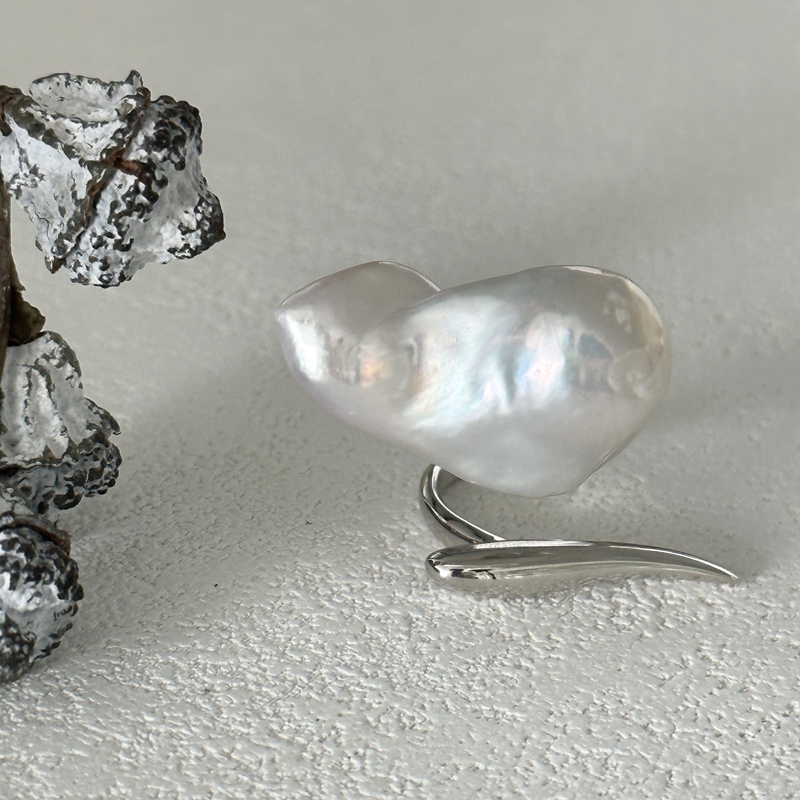
baroque pearl ring

The Tooth Test: A Classic Way to Check Pearls

One of the oldest and most widely known methods for identifying real pearls is the “tooth test.” This simple technique involves gently rubbing a pearl against the edge of your front teeth. Real pearls usually feel slightly gritty or sandy because of their layered nacre structure. Fake pearls generally feel smooth, slippery, or glass-like due to their synthetic coating.

The reason this test works is because genuine nacre contains microscopic crystalline layers that create texture. Even high-quality cultured pearls maintain this subtle roughness. Imitation pearls made from plastic or glass lack these natural layers, resulting in a perfectly smooth feel. Although the tooth test is helpful, it should be performed gently to avoid damaging delicate pearl surfaces.

It is also important to remember that some high-end imitation pearls can partially mimic this texture, especially those coated with shell powder or special finishes. Therefore, the tooth test should not be the only method used to determine authenticity. Instead, it works best when combined with visual inspection and other identification techniques. If you are uncertain about a valuable piece, professional gemological evaluation remains the safest option.

pink ceramic beads necklace
minimalist pearl necklace

Examining Pearl Luster and Surface Quality

Luster is one of the most defining characteristics of genuine pearls. Authentic pearls reflect light with depth and complexity, creating what jewelers often call an “inner glow.” When light hits a real pearl, it reflects both on the surface and from within the nacre layers, producing dimensional beauty. Fake pearls often appear overly shiny, flat, or artificial because their coating reflects light only at the surface level.

Surface quality is another important clue. Real pearls typically contain minor blemishes, ridges, spots, or irregularities because they are natural creations. Even the finest pearls rarely achieve complete perfection. If every pearl in a strand appears identical in size, shape, and texture, there is a strong possibility the pearls are imitation. Genuine pearls usually have subtle differences that give them character and individuality.

You should also examine the pearl under direct lighting. Authentic pearls often reveal layered overtones and soft color variations such as rose, silver, cream, or green. Fake pearls tend to display uniform color with little depth. Additionally, if the pearl coating looks chipped near drill holes or edges, it is likely imitation. Careful visual inspection can reveal many signs of authenticity that become easier to recognize with experience.

Checking Weight, Temperature, and Feel

Real pearls generally feel heavier than plastic imitation pearls because nacre and shell materials are denser than synthetic alternatives. When you hold authentic pearls in your hand, they often feel substantial and luxurious. Fake plastic pearls may feel unusually lightweight or hollow. Glass imitation pearls can have weight, but they still lack the organic feel of genuine nacre.

Temperature can also offer useful clues. Real pearls usually feel cool when first touched and gradually warm against the skin. This cooling sensation comes from their natural mineral composition. Plastic pearls warm almost instantly and may feel less refined. While this method is subtle, experienced jewelers often use temperature and tactile feedback during evaluations.

Another detail to observe is movement. Genuine pearl necklaces tend to drape elegantly and move smoothly because each pearl has slight natural variation. Cheap imitation strands may feel stiff or unnaturally uniform. The knotting between pearls can also indicate quality. Fine pearl necklaces are often individually knotted to protect the pearls from rubbing together and to prevent loss if the strand breaks. High-quality craftsmanship frequently accompanies authentic pearls.

Inspecting Drill Holes and Pearl Matching

Drill holes can reveal significant information about pearl authenticity. In genuine pearls, the edges around drill holes are usually clean and sharp because nacre extends throughout the pearl’s surface. Fake pearls often show peeling, flaking, or chipped coating near the holes, exposing glass or plastic underneath. Using a magnifying glass can make these details easier to spot.

Another indicator is how well the pearls match. Real pearls are naturally formed, so slight differences in shape, tone, and overtone are expected. Perfectly identical pearls are rare and usually very expensive. Imitation pearl strands often appear excessively uniform because they are machine-made. While uniformity can look appealing, overly perfect pearls may indicate synthetic production.

Thread quality also matters. Authentic pearl jewelry is often strung carefully with silk thread and knots between each pearl. Luxury pearl jewelers pay close attention to finishing details because pearls are delicate gemstones requiring protection. Inexpensive imitation strands may skip knotting altogether or use poor-quality materials. Examining craftsmanship alongside the pearls themselves provides additional insight into authenticity.


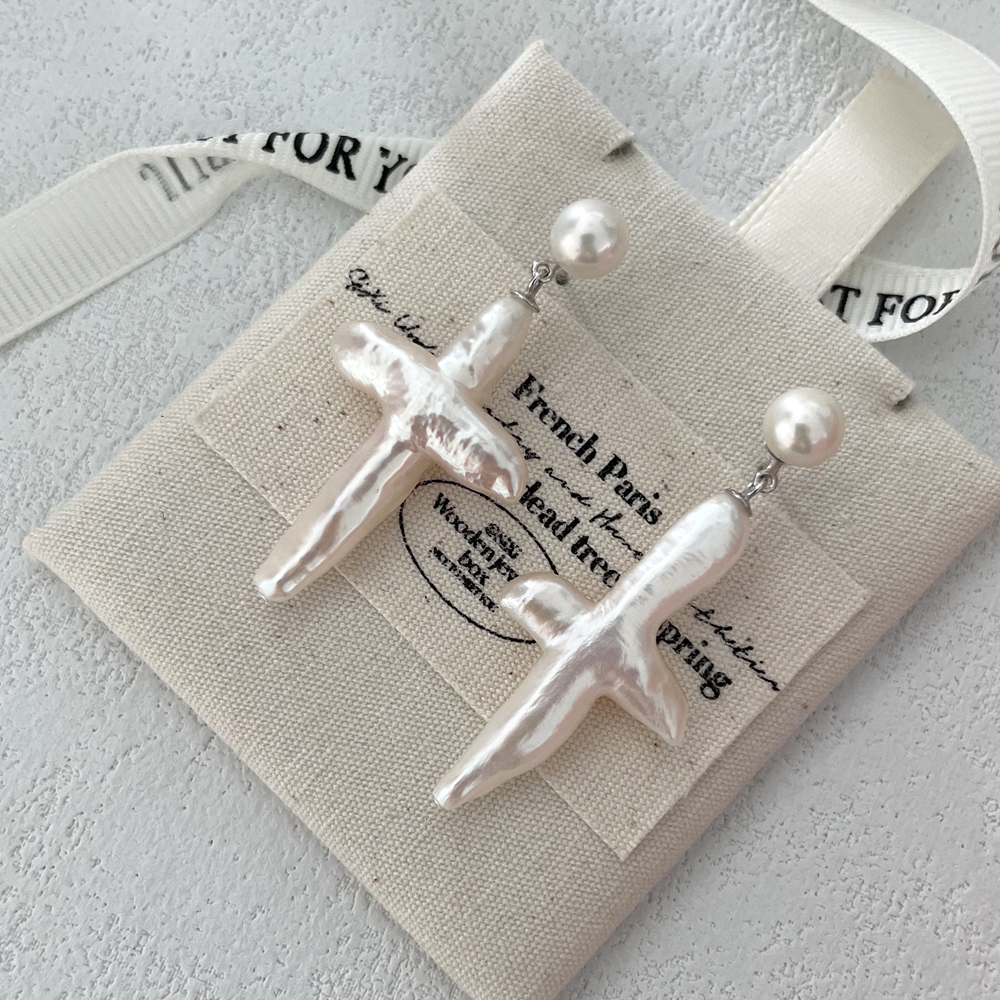
cross pearl necklace

When to Seek Professional Authentication

Although home tests can help identify many fake pearls, some imitations are sophisticated enough to deceive inexperienced buyers. Professional jewelers and gemologists use specialized tools such as X-rays, microscopes, and refractometers to verify pearl authenticity accurately. X-rays are especially useful because they reveal the internal structure of pearls, including nacre thickness and bead nuclei.

Professional authentication becomes particularly important for antique pearls, heirloom jewelry, or high-value purchases. Luxury pearls such as South Sea, Tahitian, and fine Akoya pearls can command significant prices, making verification worthwhile. Certificates from reputable gemological laboratories can provide peace of mind and improve resale value.

When shopping for pearls, it is also wise to purchase from trusted jewelers with transparent sourcing and return policies. Reputable sellers willingly provide detailed information about pearl origin, grading, and care instructions. If a pearl deal seems too good to be true, caution is usually justified. Investing in authentic pearls means investing in craftsmanship, natural beauty, and timeless elegance.

Conclusion

Learning how to tell if pearls are real is an essential skill for anyone interested in fine jewelry. Authentic pearls possess qualities that imitation versions struggle to replicate, including layered luster, natural texture, subtle imperfections, and elegant weight. By using techniques such as the tooth test, visual inspection, temperature checks, and drill hole examination, buyers can identify many signs of genuine pearls with greater confidence.

Real pearls are more than beautiful accessories—they are organic gems shaped by nature and treasured for generations. Understanding their characteristics helps you make informed purchasing decisions while appreciating the artistry behind every pearl strand. Whether you are buying your first pearl necklace, inheriting family jewelry, or expanding a luxury collection, knowing the difference between real and fake pearls ensures that your investment reflects true beauty and lasting value.

natural pearl jewelry

Pearl accessories are among the most delicate, elegant, and timeless jewelry pieces a person can own. Unlike hard gemstones such as diamonds, rubies, and sapphires that can resist daily scratches and abrasions, pearls are organic treasures crafted by living mollusks. Composed of layered nacre, a soft and sensitive organic substance, pearls require gentle and meticulous care to retain their signature iridescent glow, smooth texture, and delicate beauty. Many pearl jewelry owners encounter common troubles over time: once-bright pearls gradually turn dull and yellow, tiny scratches appear on the surface, the nacre layer peels off, or metal settings fade and loosen. Most of these problems are not caused by poor pearl quality, but by incorrect daily wearing habits and improper maintenance methods. 

Whether you own affordable freshwater pearl daily accessories or high-end saltwater pearl collectibles, professional and scientific care can greatly extend their service life and even make their luster more mellow and charming as time goes by.

This comprehensive guide will cover all essential knowledge about caring for pearl accessories, including daily wearing rules, correct cleaning methods, proper storage skills, damage repair solutions, and long-term maintenance tips, helping your pearl jewelry stay radiant for years and even become heirloom pieces.

To better understand why pearls need special care, it is necessary to know their physical properties first. Pearl nacre ranks only 2.5 to 4.5 on the Mohs hardness scale, which is far softer than most common jewelry materials. For comparison, stainless steel and glass have a hardness of 5.5 to 6, and diamonds reach 10. This means pearls are extremely vulnerable to scratches when contacting other hard objects. In addition, nacre is porous and acid-base sensitive, making pearls easy to absorb external moisture, chemicals, and stains. Sweat, perfume, skincare products, dust, and even tap water can cause irreversible damage to pearl surfaces if left untreated. Therefore, pearl maintenance is not occasional cleaning work, but a set of persistent daily habits that every pearl lover must master.

Core Daily Wearing Rules: Avoid Damage From the Source

The best way to maintain pearl accessories is to prevent damage during daily wear, rather than remedy problems after they occur. There is a classic golden rule in the jewelry industry: Pearls are the last thing you put on and the first thing you take off. This simple principle covers the core of daily pearl care and can effectively avoid most chemical and physical damage to pearls.

Many people habitually wear jewelry after dressing up, but for pearl accessories, this order must be reversed. All beauty and skincare products, including facial lotion, body cream, sunscreen, primer, makeup base, hair spray, and styling gel, contain chemical ingredients such as emulsifiers, alcohol, and acidic preservatives. These chemicals will adhere to the porous surface of pearls, gradually eroding the nacre layer, destroying the natural luster, and causing the pearls to turn yellow, dull, or even develop tiny pits over time. Similarly, perfume is a major killer of pearl luster. Most perfumes contain alcohol and essence components that can corrode organic nacre rapidly. You should always finish all skincare, makeup, hair styling, and perfume spraying, and wait for all products to be fully absorbed and dried by the skin before wearing pearl necklaces, earrings, or bracelets.

18k pearl jewelry

Sweat contact is another key factor affecting pearl maintenance. Human sweat contains urea, lactic acid, and salt components, which are corrosive to pearl nacre. In daily life, if you wear pearl accessories during strenuous exercise, fitness, outdoor hiking, or hot summer activities with heavy sweating, sweat will continuously soak the pearl surface. Long-term accumulation will make the pearl lose its transparency, turn yellow and dark, and even cause the gap between the pearl and the metal setting to breed dirt and bacteria. Therefore, you must take off all pearl accessories before exercising, bathing, sauna, hot spring soaking, or any activity that causes heavy sweating or prolonged water contact.

Physical friction and collision are also easy to ignore causes of pearl damage. Due to low hardness, pearls will leave permanent scratches when rubbing against metal accessories, watches, stone jewelry, or even rough clothing fabrics. It is not recommended to wear pearl bracelets stacked with metal bangles or diamond bracelets, as mutual friction will scratch the smooth nacre surface. In addition, avoid wearing pearl accessories when doing housework, cooking, or manual work. Collisions with hard tableware, kitchen utensils, and furniture will cause tiny cracks or dents on pearls, which cannot be repaired completely.

Scientific Cleaning Methods: Remove Stains Without Damaging Pearls

After daily wear, pearls will inevitably adhere to invisible sweat, dust, and floating dirt on the surface. Timely and correct cleaning is crucial to maintain their luster, but many people use wrong cleaning methods that accelerate pearl aging. It is necessary to clarify the cleaning taboos first: never use tap water, hot water, alcohol, disinfectant, toothpaste, soap, detergent, or jewelry cleaning liquid to clean pearls. Tap water contains chlorine and mineral impurities that will remain in pearl pores and cause dullness; toothpaste and detergent contain abrasive particles and alkaline ingredients that will polish and wear down the thin nacre layer; alcohol and chemical disinfectants will directly corrode organic pearls and destroy their natural iridescence.

minimalist pearl necklace

The safest and most effective daily cleaning tool is a super soft, lint-free cotton jewelry cloth or pure silk cloth, which is specially designed for delicate organic jewelry. After each wear, gently wipe the surface of each pearl back and forth lightly to remove residual sweat, dust, and fine dirt. This one-minute cleaning habit can avoid long-term stain accumulation and keep pearls bright for a long time. For slight surface stains that cannot be wiped off with a dry cloth, you can slightly dampen the cotton cloth with a small amount of purified water or distilled water, wipe gently, and then dry the pearls completely with a dry cotton cloth immediately. For pearl necklaces that have been worn for a long time with accumulated dirt in the rope gaps, professional periodic deep cleaning is required. It is recommended to disassemble and clean pearl necklaces every six months to one year. 

Soak the pearls in a bowl of purified water for 5 to 10 minutes to soften the gap dirt, then wipe each pearl gently with a cotton swab, and place them in a cool and ventilated place to air dry completely. It is extremely important to ensure the pearls are 100% dry before restringing, otherwise residual moisture will mildew the string and cause pearl internal dampness and yellowing. Never dry pearls with a hair dryer, high-temperature sun exposure, or heating equipment, as high temperature will dehydrate the nacre layer, causing dry cracks and luster loss.

Standard Storage Skills: Prevent Oxidation, Deformation and Fading

Improper storage is one of the main reasons for pearl aging and damage. Many people casually put pearl jewelry in universal jewelry boxes together with diamonds, metals, and crystal accessories, which will lead to unavoidable scratches and abrasions. In addition, long-term exposure to air, light, and humid environments will accelerate pearl oxidation and yellowing. Mastering professional storage methods can effectively isolate external damage and keep pearls in the best state.

First, pearls must be stored independently in a separate soft jewelry pouch or a single-layer velvet jewelry box. The velvet lining can buffer external pressure, avoid friction, and maintain a dry and constant temperature environment. Never mix pearls with other hard jewelry. Even slight long-term extrusion and friction will leave dense tiny scratches on the pearl surface, making the originally smooth and bright pearls look foggy and dull.

Second, avoid long-term light exposure and high-temperature environments. Pearl nacre is sensitive to ultraviolet rays and high temperature. Long-term sunlight exposure or placement near high-temperature electrical appliances will accelerate the oxidation reaction of organic components inside pearls, leading to irreversible yellowing and transparency reduction. Therefore, pearl accessories should be stored in a cool, dark, and dry indoor environment, away from windowsills, lamp stands, and heating equipment.

Third, control storage humidity reasonably. Pearls are porous and prone to absorbing moisture. Too humid an environment will cause mildew on the pearl surface and internal mold growth, while too dry an environment will cause nacre dehydration and cracking. The most suitable storage environment for pearls is a cool and ventilated place with moderate humidity. Do not store pearls in sealed plastic airtight boxes for a long time, as poor air circulation will breed moisture and mildew. For long-term stored pearls, take them out every one to two months for gentle wiping and natural ventilation to keep the nacre layer active and bright.

In addition, pearl necklaces need special storage attention. Do not hang pearl necklaces for long-term storage, as the gravity of the pearls will continuously stretch the string, causing the string to deform and loosen, and even make the hole of the pearl wear and expand. It is better to lay the necklace flat in the jewelry box to maintain the neat arrangement and intact hole of each pearl.

baroque pearl minimalist necklace
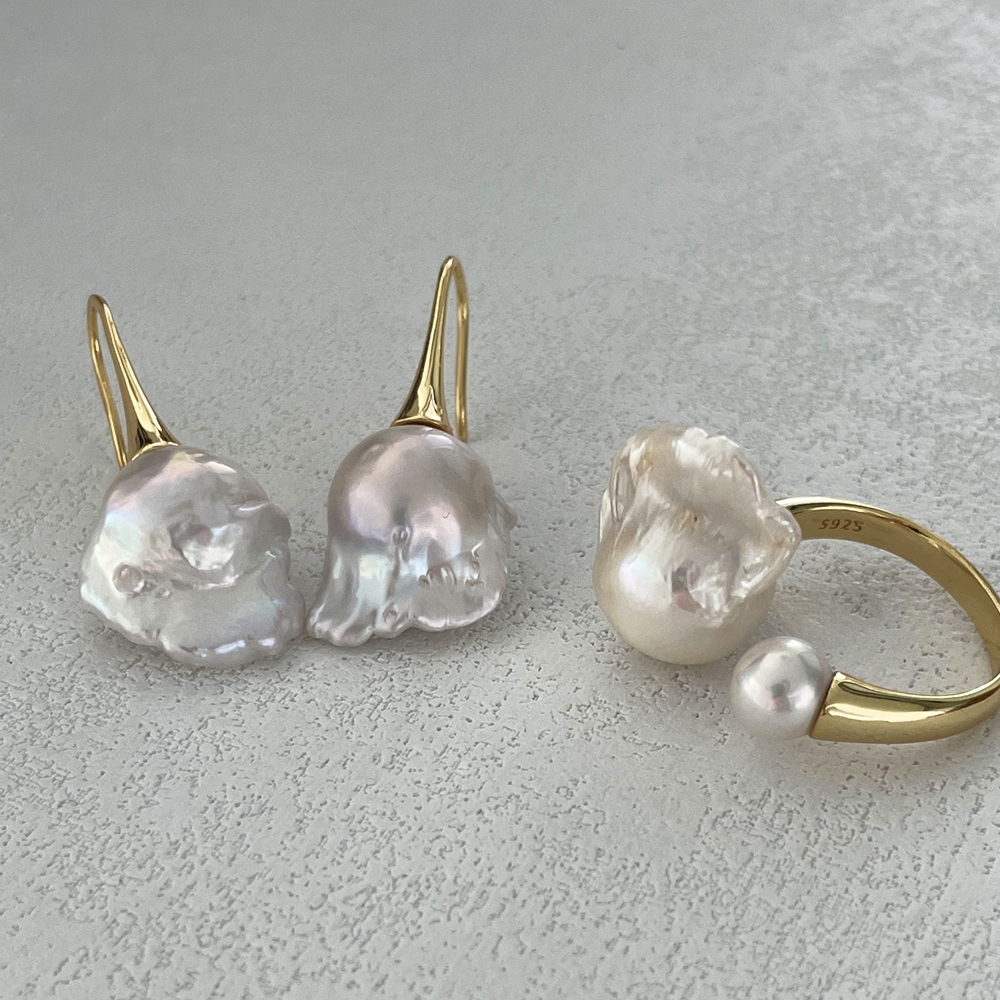
baroque pearl earring and ring

Long-Term Maintenance & Common Damage Solutions

Even with careful daily care, pearl accessories that have been worn for years will inevitably have minor aging problems. Timely professional maintenance can maximize their service life. First of all, pearl necklaces need regular string replacement. The threading rope will gradually absorb sweat and dust during wearing, becoming brittle and easy to break. It is recommended to replace the necklace string every one to two years for frequently worn pearl necklaces, and every three years for occasionally worn ones, to avoid sudden breakage and pearl loss.

For slight pearl yellowing caused by long-term oxidation, daily gentle wiping and regular ventilation can effectively slow down the yellowing process and restore part of the luster. It should be noted that severe aging yellowing is irreversible, which further proves the importance of daily maintenance. For tiny surface scratches, professional pearl polishing by jewelry craftsmen can smooth the surface and restore gloss, but excessive polishing is not recommended as it will wear off the thin nacre layer and reduce the pearl’s value.

For loose metal settings, deformed pins, or faded electroplating of pearl earrings, pendants, and rings, timely professional maintenance is required. Loose settings will cause pearls to fall off accidentally, and long-term exposed metal will rust and stain the pearls, causing secondary pollution damage.

Final Thoughts on Pearl Care

Pearl accessories are different from ordinary fast-fashion jewelry. They do not rely on exaggerated designs to attract attention, but win people’s hearts with gentle, durable, and unique natural luster. The delicate nature of pearls is also their unique charm—they need careful care just like elegant temperament, which accumulates and precipitates over time. Good maintenance habits can make your pearl accessories brighter and more textured with the passage of time, realizing the unique value of “the older, the more beautiful”. By following the wearing sequence rules, adopting scientific cleaning methods, standardizing daily storage, and doing regular professional maintenance, you can completely avoid most pearl damage problems. Whether it is daily freshwater pearl accessories or high-end saltwater pearl collections, meticulous care will make them always maintain their elegant demeanor, becoming your eternal classic fashion companions that can be passed down for generations.

Pearl jewelry is one of the few accessories in the fashion world that never goes out of style. Passed down through generations, worn by royalty, celebrities, and everyday style enthusiasts alike, pearls symbolize elegance, purity, grace, and subtle luxury. Unlike flashy diamond jewelry or bold colored gemstone pieces, pearls offer soft, understated beauty that elevates any outfit, whether it is a casual everyday look, a professional office ensemble, or a glamorous evening gown. However, for most shoppers, choosing the right pearl jewelry is far from simple. With countless options ranging from affordable freshwater pearls to high-end South Sea cultured pearls, varying luster qualities, confusing size grades, and diverse designs, many people end up purchasing pieces that do not match their style, budget, or wearing needs. If you have ever felt overwhelmed while shopping for pearl jewelry, this in-depth guide will break down everything you need to know to make confident, smart, and long-lasting pearl jewelry choices.

Many beginners make the mistake of judging pearls solely by their round shape or price tag. In reality, premium pearl jewelry selection relies on a combination of professional factors, including pearl type, luster, surface quality, shape, size, color, and craftsmanship. Additionally, understanding your personal wearing scenarios, skin tone, and style preference is just as critical as knowing technical pearl grading standards. By the end of this guide, you will be able to distinguish high-quality pearls from low-grade ones, pick the perfect style for daily wear or special occasions, and avoid common shopping pitfalls that waste money on inferior pieces.

Start with Pearl Types: The Foundation of Your Choice

The first step in choosing pearl jewelry is understanding the two core categories that dominate the market: natural pearls and cultured pearls, as well as the key differences between freshwater and saltwater pearls. Most pearls sold in modern mainstream jewelry stores are cultured pearls. Natural wild pearls are extremely rare, extremely expensive, and almost exclusively used for high-end collection pieces, so they are not practical for daily wear or regular gifting. For ordinary consumers, cultured pearls are the best and only viable choice, and they are divided into freshwater cultured pearls and saltwater cultured pearls, each with unique characteristics and suitable crowds.

Freshwater cultured pearls are the most popular and budget-friendly option for everyday pearl jewelry. Primarily cultivated in freshwater lakes and rivers, mostly originating from China’s pearl farming regions, these pearls grow in freshwater mussels. A single mussel can produce multiple pearls, leading to high yields and accessible pricing. One of the biggest advantages of freshwater pearls is their thick nacre layer. Nacre is the iridescent substance that gives pearls their glow, and a thick nacre means better durability, softer luster, and longer service life. Freshwater pearls come in diverse natural colors, including classic white, creamy ivory, blush pink, lavender, and subtle peach tones. Their shapes are also versatile. While high-quality round freshwater pearls exist, oval, button, drop, and trendy baroque irregular shapes are more common. These unique irregular shapes have become a huge trend in contemporary minimalist and vintage fashion, perfect for people who prefer personalized, non-uniform jewelry that stands out from mass-produced designs.

Saltwater cultured pearls are the premium tier of pearl jewelry, including three iconic varieties: Akoya pearls, Tahitian pearls, and South Sea pearls. Cultivated in ocean waters, saltwater pearls require stricter growth environments and longer cultivation cycles, usually two to four years, compared to the six-month to two-year cycle of freshwater pearls. Each saltwater oyster only produces one or two pearls at most, resulting in extremely low yields and higher market prices. Saltwater pearls are famous for their exceptional luster. With fine, compact nacre layers, they produce a sharp, mirror-like luminous effect that is bright, layered, and eye-catching. Japanese Akoya pearls are known for their perfect roundness and bright white luster, making them the classic choice for delicate necklaces and bridal jewelry. Tahitian pearls feature exotic natural dark tones, including black, charcoal gray, and peacock green, delivering a mysterious, luxurious, and modern vibe. South Sea pearls, available in golden and silvery white hues, are the largest and most luxurious pearl variety, favored for high-end formal jewelry and collectible pieces. While saltwater pearls are more brilliant and premium, their nacre layers are thinner than freshwater pearls, making them more fragile and less suitable for frequent casual wear.

Master the Six Key Grading Factors for High-Quality Pearls

Regardless of whether you choose freshwater or saltwater pearl jewelry, mastering the six professional grading standards will help you identify top-tier pieces effortlessly. These standards are universally recognized in the global pearl jewelry industry and determine the quality, value, and aesthetics of pearl jewelry.

First, luster is the most important factor and the “soul” of a pearl. Luster refers to the way light reflects and refracts through the pearl’s nacre. High-quality pearls have deep, layered luster with clear light reflections and soft halos on the surface. When you look closely, the light does not just sit on the surface but penetrates inward, creating a three-dimensional glowing effect. Low-quality pearls appear flat, dull, and chalky, with no light layering, even if their shape is perfect. For daily wear freshwater pearls, look for soft, uniform luster; for formal saltwater pearls, prioritize intense, mirror-like luster.

Second, surface cleanliness determines the perfection of the pearl. It is crucial to understand that no natural cultured pearl is 100% flawless. Tiny natural blemishes, minor texture variations, or microscopic spots are normal and unavoidable. High-grade pearls only have invisible or negligible flaws that cannot be seen with the naked eye. You should avoid pearls with obvious cracks, large pits, dark spots, peeling nacre, or uneven surfaces, as these flaws not only ruin the aesthetic but also weaken the pearl’s structure, making it prone to damage and fading over time.

Third, shape selection should match your wearing purpose. Perfectly round pearls are the most traditional and formal option, ideal for formal events, business occasions, weddings, and classic jewelry sets. Symmetrical oval and drop-shaped pearls are extremely flattering for earrings and pendants, as their elongated lines soften facial contours and add a gentle, elegant temperament. Baroque pearls, with their unique irregular shapes, are the best choice for casual, artistic, and trendy styles, favored by young fashion lovers for their one-of-a-kind charm.

Fourth, size determines the visual presence of pearl jewelry. Pearl sizes range from tiny 3mm seed pearls to oversized 12mm+ luxury pearls. For daily casual wear, 6mm to 8mm pearls are the most versatile size, suitable for all face shapes, ages, and outfits, low-key and elegant without being exaggerated. 8mm to 10mm pearls are slightly more prominent, perfect for office wear, dinner parties, and semi-formal occasions. Pearls above 10mm are grand and luxurious, best for formal ceremonies, weddings, and high-end events rather than daily casual matching.

Fifth, color matching should coordinate with your skin tone. Pearls have diverse natural tones, and choosing the right color can brighten your complexion and enhance your overall temperament. Fair skin tones suit all pearl colors, especially pure white, blush pink, and silvery pearls that create a fresh and delicate look. Warm yellow and wheat skin tones pair perfectly with creamy ivory, golden, and lavender pearls, which neutralize skin dullness and add warmth. Dark skin tones shine with Tahitian black pearls and golden South Sea pearls, creating a striking, luxurious, and high-class contrast.

Sixth, examine metal craftsmanship and settings. A high-quality pearl piece is not only about great pearls but also exquisite settings. Check that the pearl is firmly fixed without shaking, the metal parts are smooth without burrs, and the electroplating is uniform and not easy to fade. For long-term wear, choose hypoallergenic materials such as 925 sterling silver, 14k gold, or 18k gold to avoid skin irritation and ensure durability.

Choose Pearl Jewelry by Occasion and Style

The best pearl jewelry is not the most expensive one, but the one that fits your lifestyle and dressing style perfectly. For daily casual wear, minimalist freshwater pearl stud earrings, simple single pearl pendants, and thin pearl chain bracelets are the most practical choices. They are lightweight, low-key, versatile with T-shirts, sweaters, jeans, and casual dresses, and add a subtle refined touch to daily outfits without feeling pretentious.

For workplace and business occasions, classic round freshwater or Akoya pearl sets are ideal. Moderate size pearls with soft luster convey professionalism, gentleness, and reliability, helping you build a calm and elegant workplace image without being too sharp or too casual. Avoid oversized baroque pearls or exaggerated pearl designs in formal business environments, as they may appear too trendy and unprofessional.

For weddings, anniversaries, and formal banquets, you can opt for high-grade saltwater pearl jewelry, multi-layer pearl necklaces, or large pendant designs. Tahitian and golden South Sea pearls are excellent choices for formal evening wear, as their unique luster and color can perfectly match formal gowns, creating a stunning and dignified ceremonial feeling. For bridal jewelry, classic white Akoya pearl sets remain the timeless top choice, symbolizing purity, happiness, and eternal tenderness.

Final Shopping Tips to Avoid Regrets

When purchasing pearl jewelry, many consumers fall for misleading marketing tricks. First, do not equate round pearls with good pearls. While round pearls are classic, irregular baroque pearls with excellent luster and clean surfaces are often more valuable and fashionable than dull, flawed round pearls. Second, do not blindly pursue saltwater pearls. If you need jewelry for daily frequent wear, high-quality freshwater pearls are more cost-effective and durable than thin-nacre saltwater pearls. Third, always check the pearl’s luster first before looking at size and shape, because luster is the only factor that cannot be artificially modified and directly determines the pearl’s grade.

In conclusion, choosing perfect pearl jewelry is a balance of type, quality, style, and scenario. Pearls are timeless accessories that grow more charming with time, unlike fast fashion jewelry that fades quickly. By understanding the differences between freshwater and saltwater cultured pearls, mastering luster, size, and color matching skills, and selecting pieces according to your daily needs, you can easily find pearl jewelry that suits your personal temperament, lasts for years, and can even be passed down as a classic heirloom. Whether you are buying your first pearl piece or expanding your jewelry collection, focusing on quality and suitability over blind luxury is the core of smart pearl shopping.

Freshwater vs Cultured Pearls: Key Differences, Buying Guide & Style Tips

For anyone new to pearl jewelry shopping, the terms “freshwater pearls” and “cultured pearls” are arguably the most confusing vocabulary in the pearl industry. Many beginners mistakenly categorize them as two completely opposite pearl types, struggling to tell which one is better, more valuable, or more suitable for daily wear. Some shoppers blindly chase expensive cultured pearls, while others assume all freshwater pearls are low-quality and not worth investing in. These misunderstandings often lead to wrong purchases, wasted budgets, and disappointment with pearl accessories.

To solve this common dilemma, this in-depth guide will thoroughly clarify the definitions, core differences, unique advantages, drawbacks, and ideal application scenarios of freshwater pearls and cultured pearls, helping you make professional, cost-effective, and stylish choices when buying pearl jewelry.

Before diving into the detailed comparison, it is essential to correct the biggest industry misconception first: Freshwater pearls and cultured pearls are not opposing categories. They describe two entirely different attributes of pearls. “Cultured” refers to the formation method of pearls, while “freshwater” refers to the growing environment of pearls. In short, almost all freshwater pearls on the market are freshwater cultured pearls. There is no conflict between the two concepts; instead, they are inclusive and overlapping. To be precise, the real comparison consumers need to master is freshwater cultured pearls vs saltwater cultured pearls, which are the two major branches of all modern cultured pearls. Natural wild pearls are extremely rare, unaffordable for daily use, and rarely sold in mainstream jewelry stores, so cultured pearls are the only practical choice for ordinary buyers.

What Exactly Are Cultured Pearls?
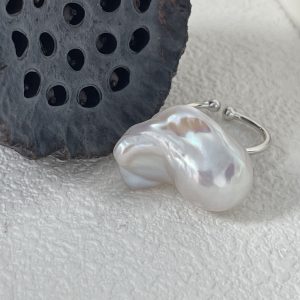
To fully understand the contrast, we first need to define cultured pearls clearly. Unlike natural pearls that form randomly when foreign substances accidentally enter wild mollusks, cultured pearls are artificially cultivated under controlled, professional farming conditions. Pearl farmers manually implant irritants—either mantle tissue or spherical bead nuclei—into healthy mollusks, then raise the mollusks in suitable water environments for months or years, allowing the organisms to secrete nacre and gradually form complete pearls.

The emergence of cultured pearl technology revolutionized the global pearl jewelry industry. Before cultured pearls were widely available, natural pearls were exclusive to nobles and the wealthy due to their extreme rarity. Cultivation technology standardized pearl production, made elegant pearl jewelry accessible to ordinary consumers, and maintained the natural texture and luster of real pearls, distinguishing them completely from fake plastic or shell pearls. All authentic pearls you buy from regular jewelry brands, whether white daily-style pearls or luxurious black pearls, belong to the cultured pearl family.

Cultured pearls are broadly divided into two subcategories based on growth water bodies: freshwater cultured pearls and saltwater cultured pearls. Every detail from growth cycle, yield, nacre thickness, appearance, price, durability to wearing scenarios varies drastically between the two, forming the core of pearl selection knowledge for buyers.

What Are Freshwater Cultured Pearls? Core Features & Advantages
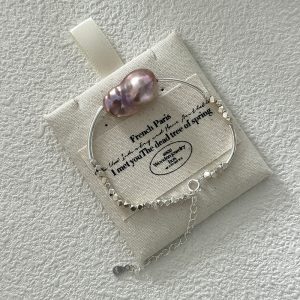
Freshwater cultured pearls are exclusively grown in inland freshwater environments, including natural lakes, rivers, and artificial freshwater breeding ponds, with China being the world’s largest and most professional production base. These pearls are cultivated in freshwater mussels, primarily the Hyriopsis cumingii mussel species, which has strong vitality and a high pearl production rate. The most prominent feature of freshwater pearls is their ultra-high yield and short growth cycle. A single freshwater mussel can produce 20 to 50 pearls in one cultivation cycle, and the growth period only lasts 6 months to 2 years, far shorter than saltwater varieties. This high productivity greatly reduces production costs, making freshwater pearls the most budget-friendly real pearl option in the market.

In terms of internal structure, most high-quality modern freshwater pearls are tissue-cultured without a solid bead nucleus. Instead of implanting a round bead, farmers insert tiny mantle tissue into the mussel. This special cultivation method enables freshwater pearls to form an extremely thick, full nacre layer that covers the entire pearl. Nacre is the iridescent organic layer that creates a pearl’s unique glow, and thick nacre brings two irreplaceable advantages: superior durability and soft, gentle luster. Unlike thin-nacre pearls that easily wear thin, fade, or peel after long-term wear, freshwater pearls can maintain their complete texture and luster for decades with proper care, making them perfect for daily frequent wear.

Aesthetically, freshwater pearls boast unparalleled color diversity. They are not limited to basic white and cream tones; natural blush pink, tender lavender, warm peach, and subtle apricot hues are extremely common. These soft, low-saturation colors fit perfectly with daily casual styles, office wear, and youthful fashion trends. In terms of shape, freshwater pearls are not restricted to perfect rounds. Oval, button, teardrop, and trendy baroque irregular shapes are mainstream. Baroque freshwater pearls, in particular, have become a fashion staple in recent years. Their unique, non-repeating irregular outlines break the monotony of traditional round pearls, delivering a minimalist, artistic, and personalized temperament favored by young fashion enthusiasts.

The only minor drawback of freshwater pearls is their relatively soft luster compared to high-end saltwater cultured pearls. Their glow is warm and diffused rather than sharp and mirror-like, which is why they look gentle and understated instead of dazzling and luxurious. However, this feature also makes them more versatile and less ostentatious for everyday styling.

Saltwater Cultured Pearls: Premium Tier of Cultured Pearls

To better highlight the characteristics of freshwater cultured pearls, we must compare them with saltwater cultured pearls, the premium branch of cultured pearls. Saltwater cultured pearls grow in open marine environments such as oceans, bays, and tidal zones, including three world-famous varieties: Japanese Akoya pearls, Tahitian black pearls, and South Sea golden and silver pearls.

Saltwater pearl cultivation has extremely strict environmental and technical requirements. The growth cycle ranges from 2 to 4 years, twice as long as most freshwater pearls. More importantly, each marine oyster can only produce 1 to 2 pearls in its lifetime, resulting in an extremely low yield. Coupled with harsh marine climate conditions and high manual cultivation costs, saltwater cultured pearls are positioned as high-end luxury pearls with much higher market prices than freshwater pearls.

Structurally, all saltwater cultured pearls adopt bead nucleus cultivation. Farmers implant a polished round shell bead into the oyster, which guides the pearl to grow into an almost perfectly round shape with extremely high uniformity. Their nacre layers are thin and dense, creating a stunning mirror-like luster with strong light reflection and layered three-dimensional light and shadow effects. Akoya pearls are famous for their bright white glow and flawless roundness, ideal for delicate bridal jewelry and formal accessories. Tahitian pearls feature rare natural black, gray, and peacock green tones, exuding a mysterious and noble aura. South Sea pearls, with their oversized particle size and luxurious golden or silver luster, represent the top level of pearl collectibles.

Nevertheless, saltwater cultured pearls have obvious limitations. Their thin nacre layers make them fragile and prone to scratches, abrasion, and luster loss. They are not suitable for daily high-frequency wear and are more designed for formal occasions, banquets, collections, and high-end gifts.

Core Differences: Freshwater vs Saltwater Cultured Pearls (Full Comparison)

To sum up the key distinctions for intuitive selection, the differences cover six critical dimensions.
First, in terms of cost performance, freshwater pearls are high-yield and low-priced, suitable for mass daily consumption, while saltwater pearls are low-yield and high-priced, belonging to luxury accessories.

Second, in durability, freshwater pearls with thick nacre are wear-resistant and long-lasting, while saltwater pearls with thin nacre are delicate and require careful maintenance.

Third, in appearance and style, freshwater pearls have rich colors, diverse shapes, and soft luster, presenting a casual, gentle, and personalized style. Saltwater pearls are mostly perfectly round with single classic color tones and sharp brilliant luster, showing a formal, luxurious, and elegant temperament.

Fourth, in wearing scenarios, freshwater pearls are perfect for daily commuting, casual outings, student wear, and workplace daily matching, while saltwater pearls are more suitable for weddings, anniversaries, business banquets, and red carpet events.

Fifth, in collection value, high-grade large-size saltwater pearls have stable appreciation potential and collection significance, while freshwater pearls focus on practical wearing value with limited collection attributes.

Sixth, in fault tolerance, freshwater pearls have higher cost performance for replacement and daily wear and tear, while saltwater pearls require careful protection and are not tolerant of accidental damage.

How to Choose Between Freshwater and Cultured Pearls?
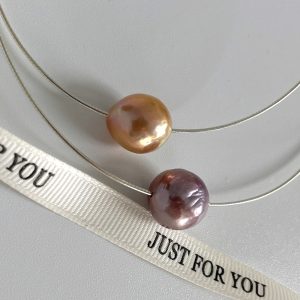
After clarifying all differences, the selection logic becomes extremely clear. If you are a pearl beginner looking for daily versatile jewelry, pursuing cost performance and durability, freshwater cultured pearls are your best choice. They can be worn with all casual and daily workplace outfits, do not require overly careful maintenance, and can be worn for years without easy damage. Baroque freshwater pearl accessories are especially recommended for those who pursue unique fashion and avoid stereotyped mainstream styles.

If you need pearl jewelry for formal ceremonies, important occasions, wedding dressing, or high-end gift-giving and collection, you can choose high-end saltwater cultured pearls. Their perfect roundness, brilliant luster, and luxurious texture can instantly enhance your temperament and create a solemn and advanced ceremonial feeling. For those with a sufficient budget who want to build a high-end jewelry collection system, South Sea and Tahitian cultured pearls are worthy of long-term investment.

Final Conclusion

The biggest takeaway from this comparison is that there is no absolute “better” between freshwater pearls and cultured pearls. The core is to distinguish conceptual differences and match them with your own needs. All qualified freshwater and saltwater pearls are real cultured pearls, with genuine natural nacre texture and unique ornamental value. Freshwater cultured pearls are the most practical and friendly choice for daily fashion, while saltwater cultured pearls are the high-end luxury choice for special moments and collection. By abandoning wrong stereotypes and mastering professional distinguishing knowledge, you can easily select the most suitable pearl jewelry that balances beauty, practicality, and budget.

A Practical Guide to Identifying Pearls​

Whether you’re buying pearl jewelry or verifying a collection, knowing how to identify pearls is key to avoiding fakes and choosing quality pieces. Below are simple, actionable methods to distinguish real pearls (natural or cultured) from imitations, and assess their quality.

Akoya pearl necklace
18K gold earring pearl
baroque pearl sterling silver ring
baroque pearl sterling silver bracelet
1. The “Tooth Test”: A Quick Initial Check

The tooth test is one of the easiest ways to start. Gently rub the pearl against the front of your teeth (near the gumline, where sensitivity is high). Real pearls will feel slightly gritty or rough, like fine sandpaper—this comes from the layered nacre structure. Imitations (often made of glass, plastic, or resin coated with pearlescent paint) feel smooth, slippery, or even waxy. Note: Be gentle—too much pressure can scratch delicate pearls.​

2. Weight and Temperature: Subtle Clues​

Real pearls have a denser, more substantial weight than most imitations. Hold a real pearl and a fake one of similar size: the real one will feel heavier in your hand.​

Temperature also matters. Real pearls absorb body heat slowly, so they feel cool to the touch at first. Imitations (especially plastic or glass) warm up quickly, matching your skin temperature within seconds.​

3. Luster and Nacre: The “Glow” Test​

Luster is a real pearl’s most defining trait—and a major fake giveaway. Real pearls have a deep, layered glow: when you tilt them, you’ll see soft overtones (like pink, blue, or silver) beneath the surface. This is because light reflects through the thin nacre layers.​

Imitations have a flat, one-dimensional shine—more like paint than a natural glow. For cultured pearls, check nacre thickness: hold the pearl against a bright light. Thin nacre (less than 0.3mm) looks translucent or has a “see-through” spot (from the nucleus inside), while thick nacre (0.5mm+) has a rich, opaque glow.​

4. Surface Blemishes: A Sign of Authenticity

Perfectly smooth pearls are rare in nature. Real pearls often have tiny surface flaws: small dots, faint lines, or slight irregularities (called “birthmarks”). These aren’t defects—they’re proof of natural growth.​

Imitations, by contrast, are usually uniformly smooth. Even “fake blemishes” (added to mimic real pearls) look forced or uneven, not organic.​

5. Drill Holes: Check the Edges​

Most pearl jewelry has drilled holes for stringing. Real pearls have clean, sharp hole edges with a slight “ridge” of nacre around the opening. If you look closely, you might see faint nacre layers inside the hole.​

Imitations often have rough, chipped hole edges, or the pearlescent coating peels near the hole. Plastic pearls may even have melted edges from drilling heat.​

baroque pearl choker
6. The “Float Test” for Imitations

Fill a glass with cold water and add 2–3 tablespoons of salt. Stir until dissolved. Real pearls (dense) will sink to the bottom. Many plastic or resin fakes will float or hover in the middle—though glass fakes may also sink, so use this test with others.

7. Avoid Common Myths

Myth 1: “Real pearls always cost a fortune.” Cultured freshwater pearls are affordable but still real.​

Myth 2: “Round pearls are the only real ones.” Baroque (irregular) real pearls are common—shape doesn’t equal authenticity.​

Myth 3: “Scratching a pearl proves it’s real.” Scratching damages real pearls—stick to the tooth or luster tests instead.​

Final Tip: When in Doubt, Ask for Certification​

For high-value pearls (like South Sea or Tahitian), ask for a gemological certificate. Certificates confirm if pearls are natural/cultured, their origin, and nacre quality—removing guesswork.​

In short, identifying pearls relies on combining simple tests: tooth feel, luster, weight, and surface details. With a little practice, you’ll spot real pearls (and quality ones) with confidence—whether shopping for everyday jewelry or a special piece.

Purchase Link: https://vlsjewellery.com/

Introduction

In the world of fine pearls, few varieties captivate like the Akoya “True Blue” (真多麻) pearl – a rare gem from Japan’s pristine waters. Revered for its natural silvery-blue hue and mirror-like luster, each pearl tells a story of oceanic purity and masterful cultivation.

This article unveils why these pearls are a coveted choice for luxury jewelry, how to identify their authenticity, and ways to style their ethereal beauty.

Genuine Akoya True Blue Pearl
Akoya pearl necklace

1. What Makes "True Blue" Akoya Pearls Special?

  • Origin: Cultivated in Japan’s Ago Bay, where ideal water conditions produce pearls with unmatched brilliance.

  • Color: A natural blue-silver overtone (no dye), often with rose/green secondary hues under light.

  • Size: Typically 6–8mm, prized for their perfect roundness and compact nacre layers.

  • Rarity: Only top 5% of Akoya harvests qualify as “True Blue” due to strict color/shine standards.

Did You Know? The name 真多麻 (Madama) comes from ancient Japanese poetry, symbolizing the pearl’s elusive, mystical glow.

2. How to Spot Genuine "True Blue" Pearls

  • Luster Test: Authentic pearls reflect sharp, mirror-like images (imitations appear dull).

  • Surface Check: Minor natural blemishes confirm authenticity; flawless pearls may be treated.

  • Certification: Look for Japanese Akoya pearl certificates.

3. Styling Your True Blue Pearl Jewelry

  • For Elegance: Pair solitaire pearl studs with a little black dress.

  • For Contrast: Layer a blue pearl pendant with gold chains for modern edge.

  • For Boho Chic: Mix baroque freshwater pearls with Akoya drops for texture.

Japanese akoya pearl
simple jewelry for women
Akoya pearl jewelry set
sterling silver rings

4. Jewelry Application Scope

  1. Fashion & Daily Wear

    • Elevate everyday outfits with elegant pearl studs, delicate chains, or minimalist rings.

    • Statement pieces (e.g., bold necklaces, chandelier earrings) for special occasions.

  2. Weddings & Bridal

    • Classic pearl strands, hairpins, or drop earrings for timeless bridal looks.

    • Groom’s accessories like cufflinks or tie pins with subtle gemstone accents.

  3. Formal Events

    • Luxurious diamond/gemstone sets for galas, red carpets, or black-tie dinners.

    • High-end metals (platinum, 18K gold) paired with couture attire.

  4. Corporate & Professional

    • Understated studs, slim bangles, or pendant necklaces for a polished office look.

    • Neutral tones (pearls, silver) to complement business attire.

  5. Bohemian & Festival Styles

    • Layered beaded bracelets, feather earrings, or raw gemstone pendants.

    • Mixed materials (leather, turquoise, amber) for free-spirited vibes.

  6. Religious & Cultural

    • Traditional designs (e.g., jade bangles, prayer beads, cross pendants).

    • Symbolic motifs (evil eye, Hamsa, Om) for spiritual wear.

  7. Men’s Jewelry

    • Chunky signet rings, leather cord necklaces, or matte-finished cuffs.

    • Subtle metallic watches or minimalist chains for modern masculinity.

  8. Gifts & Keepsakes

    • Birthstone jewelry, engraved pendants, or pearl sets for anniversaries.

    • Customizable pieces (initial charms, fingerprint jewelry) for sentimental value.

  9. Seasonal & Holiday Themes

    • Festive colors (red/green gemstones for Christmas, pastels for Easter).

    • Pumpkin-shaped earrings for Halloween or snowflake motifs for winter.

  10. Alternative & Subculture

    • Gothic spikes, chokers, or blackened silver rings.

    • Punk-inspired safety pin brooches or industrial piercings.

Conclusion

True Blue Akoya pearls are more than accessories – they’re wearable art shaped by the sea. Whether gifted or self-purchased, they carry a legacy of nature’s perfection.

Explore Our Curated “True Blue” Pearl Designshttps://vlsjewellery.com/

SEO Keywords:

Akoya True Blue pearls, Japanese Madama pearls, blue-silver pearl jewelry, authentic Akoya earrings, rare cultured pearls, luxury pearl gifts, heirloom pearl necklace, ethical pearl sourcing, 6-8mm pearl studs, ocean-inspired fine jewelry.

Introduction

Sterling silver has been cherished for centuries for its lustrous beauty, durability, and affordability. At VLSJewellery, we specialize in 925 sterling silver jewelry paired with natural pearls, offering pieces that blend classic sophistication with modern design. But what exactly makes 925 silver so special? Let’s explore its history, properties, care tips, and why it’s a perfect choice for fine jewelry.

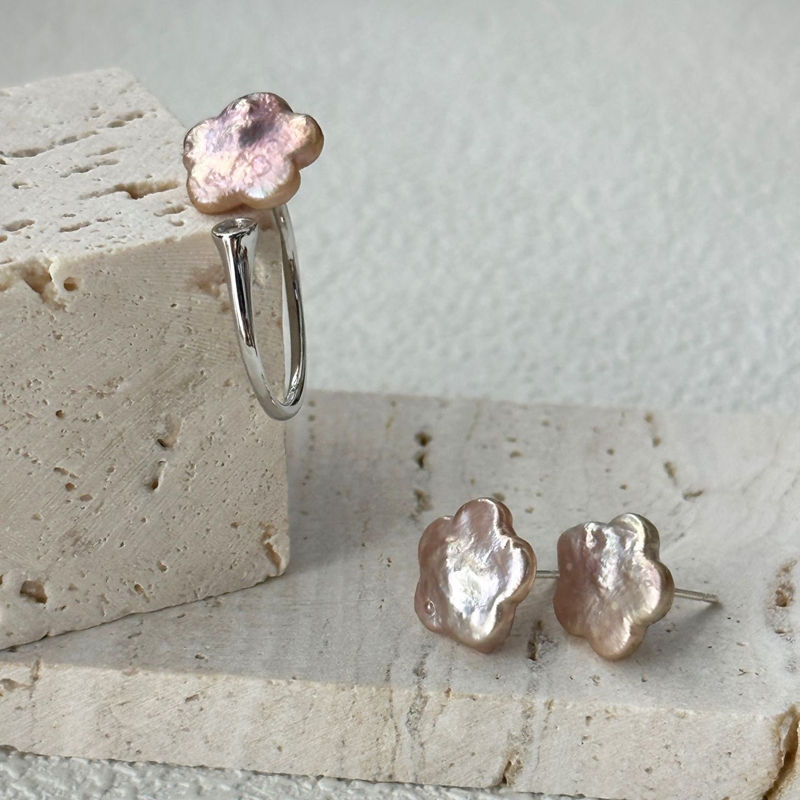
S925 Silver Flower-shaped Pearl Stud Earring

1. What Is 925 Sterling Silver?

925 sterling silver is an alloy composed of 92.5% pure silver and 7.5% other metals (usually copper). This combination enhances durability while maintaining silver’s radiant shine.

Why 92.5%?

  • Pure silver (99.9%) is too soft for jewelry, making it prone to scratches and bending.

  • The added 7.5% alloy strengthens the metal without sacrificing its elegance.

  • Authentic sterling silver is stamped with “925” to certify its quality.

2. The History of Sterling Silver

  • Ancient Origins: Silver has been used in jewelry since 3000 BC (Egyptians, Greeks, and Romans treasured it).

  • Medieval Europe: The term “sterling” comes from 12th-century England, where silver coins were called “Easterlings.”

  • Modern Appeal: Today, 925 silver remains a popular alternative to gold and platinum for its affordability and versatility.

3. Benefits of 925 Silver Jewelry

✔ Hypoallergenic & Skin-Friendly
  • Ideal for sensitive skin (unlike nickel-based metals).

  • Our jewelry uses nickel-free alloys for extra safety.

✔ Affordable Luxury
  • Offers the look of white gold or platinum at a fraction of the cost.

✔ Durability
  • Resists daily wear when properly cared for.

✔ Timeless Style
  • Complements both casual and formal outfits.

  • Pairs beautifully with gemstones, pearls, and enamel.

4. How to Care for Sterling Silver

Even high-quality silver can tarnish over time. Follow these tips to keep it shining:

🔹 Daily Care
  • Store in an anti-tarnish pouch or airtight container.

  • Remove before swimming, showering, or applying lotions.

🔹 Cleaning Methods
  • Polishing Cloth: Gently buff with a silver-specific cloth.

  • Mild Soap & Water: Use a soft toothbrush for intricate designs.

  • Baking Soda Paste: For heavy tarnish (rinse thoroughly).

5. Sterling Silver vs. Other Metals

sterling silver and other materials

Why We Love 925 Silver: It strikes the perfect balance between beauty, durability, and value.

6. Styling 925 Silver Jewelry

✨ Minimalist Look
  • Layer a delicate silver chain with a small pendant.

  • Pair with pearl studs for understated elegance.

✨ Bridal & Formal
  • Pearl and silver combos (our specialty!) exude timeless grace.

Explore our collection: https://vlsjewellery.com/

Final Thoughts

925 sterling silver is more than just a metal—it’s a symbol of enduring beauty. Whether you’re buying your first piece or adding to a collection, its versatility and timeless appeal make it a jewelry-box essential.

Got questions? Contact us at vlsjewelleryofficial@gmail.com or visit our FAQs page
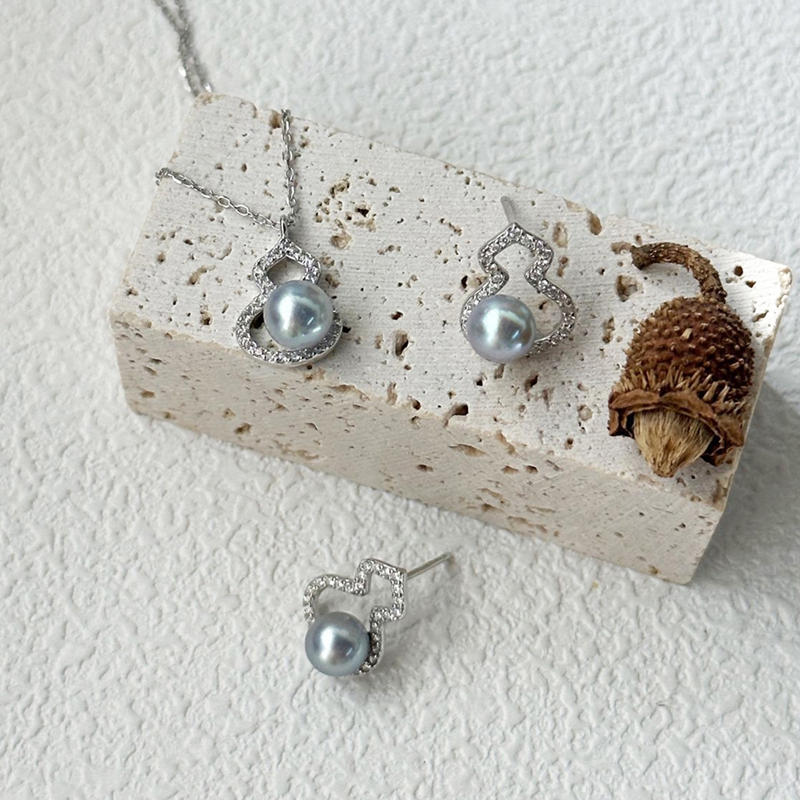
sterling silver stud earring
Shopping Cart